
The Punk Strategy: Redefining Strategic Thinking in an Unstable World

Introduction
In today’s complex and fast-moving world, organizations need approaches that go far beyond traditional management and strategy frameworks. The Punk Strategy is an innovative, disruptive mindset inspired by punk culture and its anti-structure philosophy—offering a bold and adaptive response to volatile market conditions. Unlike conventional strategy models built on rigid planning and hierarchical decision-making, the Punk Strategy emphasizes speed, experimentation, and intelligent risk-taking. Grounded in principles such as intellectual independence, resistance to rigid structures, and rapid learning through trial and error, this approach equips organizations to navigate an uncertain and ever-evolving future.
Intellectual Foundations
The Punk Strategy draws from three key cultural and theoretical domains:
Punk Culture
Emerging in the 1970s, the punk movement championed rebellion against the status quo, self-expression, and simplicity in processes. It promoted a strong “DIY” ethos and rejected complex, hierarchical structures.Complexity and Chaos Theories
From the perspective of non-linear and complex systems, organizations must be able to react quickly and intelligently to uncertainty and sudden change. Complexity theory highlights adaptability, flexibility, and continuous learning as key survival factors.Design Thinking
A creative, experience-driven approach rooted in iteration, rapid feedback, and incremental improvement. Design thinking is recognized as an effective model for solving complex and non-linear problems.
Core Principles
The Punk Strategy is defined by several principles that clearly differentiate it from traditional strategy models:
Autonomy and Decentralization
This approach reduces hierarchical layers and strengthens agile, self-directed teams. Empowered to make rapid, independent decisions, such teams increase an organization’s responsiveness and adaptability in volatile environments.Rapid Experimentation and Learning
Instead of static, long-term planning, the Punk Strategy relies on dynamic cycles of fast execution, feedback, and continual refinement. This enables organizations to stay aligned with environmental shifts and seize opportunities effectively.Intelligent Risk-Taking
Here, risk is not a threat but a catalyst for innovation. Decision-making relies on data analysis, scenario modeling, and thorough impact assessments—maximizing payoff while minimizing potential harm.
Characteristics and Differentiators
The Punk Strategy is an inventive and modern form of strategic thinking. Instead of relying on heavy planning and formal hierarchies, it prioritizes agility, creativity, and fast decision-making. Organizations adopting this strategy replace rigid structures with autonomous, flexible teams capable of reacting swiftly to environmental change.
Rather than following conventional market rules, the Punk Strategy creates its own path—investing in bold, unconventional, and purpose-driven innovations. Risk-taking is never reckless; it is informed by data, contextual understanding, and careful evaluation.
Another defining characteristic is its emphasis on rapid learning. Ideas are executed, tested, and refined at high speed. This continuous loop of action and improvement equips organizations to remain resilient and agile in unstable conditions.
Ultimately, the Punk Strategy embodies a counter-structure culture—challenging entrenched norms and searching for fresh, creative solutions to complex problems. In times of crisis and instability, this becomes a formidable strategic advantage.
Why It Matters
As organizations confront widespread instability, technological disruption, social crises, and declining public trust, the Punk Strategy has become increasingly essential. Unlike traditional models built on predictability and control, it provides tools for survival, transformation, and even growth under volatile conditions.
It empowers organizations to become proactive rather than reactive—designing agile and decentralized structures that transfer fast, independent decision-making to smaller units within the organization.
The strength of this strategy lies in its ability to break entrenched norms and create new meaning in saturated markets. At a time when audiences distrust formal advertising and brands struggle to differentiate, the Punk Strategy leverages honesty, creative rebellion, and cultural distinction to build authentic, impactful connections.
By encouraging experimentation, rapid learning, and intelligent risk-taking, it fosters continuous innovation and dynamic competitive advantage. More importantly, the Punk Strategy is not just a managerial tactic—it reframes what strategy itself means. Here, strategy becomes a living, evolving process shaped through constant interaction with the environment.
In a post-digital world marked by global crises, the Punk Strategy offers a pathway for brands with the courage to challenge outdated norms.
Successful Global Examples
Patagonia: Challenging Consumerism in Fashion

Patagonia confronted industry norms by criticizing over-consumption and promoting conscious buying. Campaigns like “Don’t Buy This Jacket” rejected traditional marketing and deepened brand loyalty—positioning Patagonia as an ethical, socially responsible leader.
BrewDog: Bold Disruption in the Beverage Industry
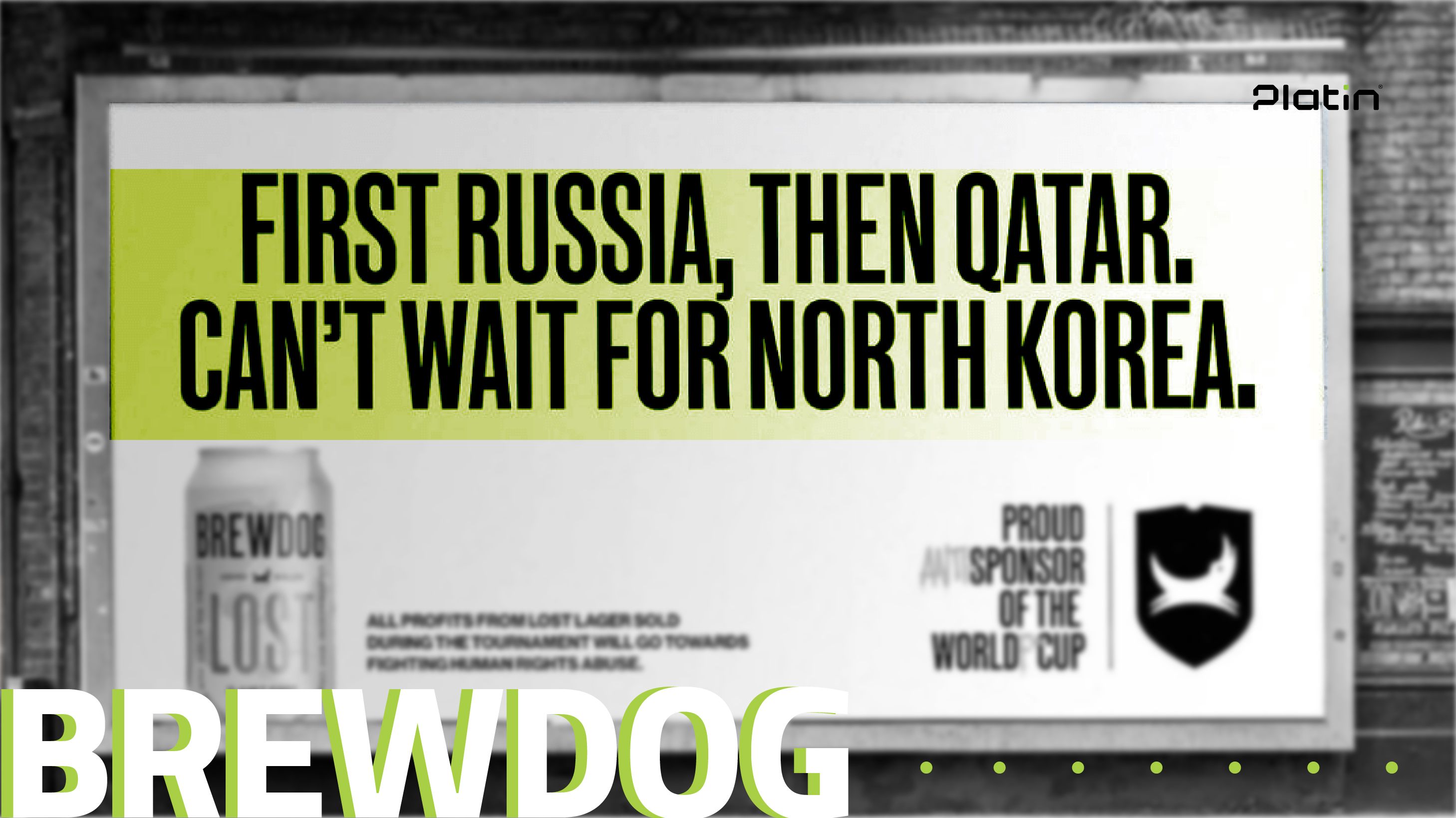
BrewDog used provocative marketing, radical tone, and open criticism of industry conventions to distinguish itself from risk-averse competitors. Controversial campaigns and bold messaging built a loyal fan base and drove significant commercial growth.
Tesla: Redefining the Automotive Industry

While operating within a high-tech framework, Tesla demonstrates key Punk Strategy traits—removing traditional dealerships, releasing patents publicly, and embracing unpredictable, norm-breaking decisions. Despite challenges, Tesla’s approach has secured its leadership in the EV market and inspired a new generation of innovators.
Ben & Jerry’s: A Voice for Social Justice in Food

By taking bold political and social stances—on racial justice, immigration, and climate issues—Ben & Jerry’s built a distinct, activist brand identity. This approach strengthened public trust and sustained long-term customer loyalty.
Platin Agency’s Approach: A Creative Reframing of Product Positioning in the Local Market
In collaboration with the Gloria brand, Platin Agency applied a Punk Strategy perspective to pursue an unconventional marketing path. Instead of running a typical sauce-focused campaign, the creative team shifted the consumer’s perspective—redefining the product from a post-cooking condiment to an integral part of the cooking process.
This disruptive reframing led to the creation of the campaign “Gloria: The Magic of Cooking”, which positioned the brand as a companion to creative cooking moments and fostered deeper audience engagement.

Conclusion
Adopting the Punk Strategy means accepting that in an unstable world, new paths cannot be built using outdated tools. This mindset gives brands the courage to challenge obsolete norms and create their own rules—with speed, clarity, and openness.
The Punk Strategy is not only a mechanism for surviving turbulent times—it is a platform for growth, distinction, and real influence. Brands that embrace it stop following the market and start shaping it—crafting new narratives that resonate, build belief, and ultimately shape the future.
