
The Importance of Consistency in Brand Visual Identity

Branding is about creating a distinctive and memorable image of a business in the minds of its customers. This process begins with the development of a well-structured branding strategy, which defines the brand’s purpose, positioning, and personality. Visual identity then serves as the visual representation of this strategy, conveying the brand’s message non-verbally to the audience through elements such as logos, colors, and typography. The key point is maintaining consistency in visual identity across all customer touchpoints. When there is complete alignment between the branding strategy and visual identity, the brand is not only easily recognizable but also becomes a credible and distinctive symbol in the market. In this article,Platin aims to explore the essential aspects of understanding visual identity and achieving cohesion among its elements, ultimately introducing the structure of a successful branding strategy. Stay with us until the end.
What Is a Brand Strategy?
Before diving into visual identity, it is necessary to review the basics of branding. In this regard, brand strategy is recognized as one of the core foundations of the work. A branding strategy is a long-term roadmap that outlines the path for transforming a brand into a lasting and preferred symbol in the minds of consumers by defining its overarching goals.
Proper execution of this strategy creates unique value that elevates the brand beyond a simple identifier, turning it into a meaningful entity in the hearts of the audience. Essentially, branding is the process of creating identity, and brand strategy encompasses the planned actions that introduce this identity to the audience and earn their loyalty.

Many managers mistakenly limit brand strategy to visual elements such as name, logo, or website design. In reality, the strategy has a deeper meaning and forms the foundation of business development. Brand strategy revolves around intangible elements such as values, personality, and brand promise, which gradually increase awareness, credibility, and loyalty.
In this journey, the consistency of a brand’s visual identity serves as a bridge connecting these intangible concepts to the tangible world of the audience. This consistency ensures that every visual experience narrates the brand story coherently and powerfully, playing a key role in achieving strategic objectives.
Why Is Brand Strategy Important for Our Business?

The ultimate goal of brand strategy is to create a clear and distinctive definition of a business’s identity in the audience’s mind. This is a long-term process, with success emerging gradually and requiring patience and observation of its impact on consumer behavior over time.
Measuring the effectiveness of a brand strategy is challenging due to the intangible nature of many of its components, such as perception and loyalty. While success metrics vary across industries, all are based on shared principles:
- The brand’s core purpose
- The needs it fulfills
- Differentiation from competitors
- The reason customers choose it
In this context, visual identity consistency plays a vital role, ensuring that your brand’s intangible messages are communicated to the audience in a tangible, coherent, and memorable manner. Therefore, the intelligent integration of content strategy with a consistent visual identity not only yields positive short-term results but also lays the foundation for building a lasting and impactful brand. The Platin team, leveraging the expertise of specialists in this field, is ready to collaborate or provide professional consultation for creating a creative, expressive, and enduring visual identity.
Visual Identity
When entering a busy department store, what immediately guides you to your trusted brand? Often, this recognition is not through reading the name but via visual cues:
"Distinctive packaging design, unique typography, and a signature color palette."
These elements form the essence of a brand’s visual identity. Visual identity is an integrated system of design elements that shapes a brand’s personality and makes it unique among competitors. Here, consistency in visual identity plays a crucial role, ensuring that every visual interaction tells a unified story and strengthens brand recognition and trust over the long term.
You can review successful examples implemented by our team in the Platin agency portfolio.
Why Is Consistency in Visual Identity Important?
In the digital age, maintaining visual identity consistency across all platforms—from websites to social media—has become a key factor in brand consolidation. This consistency not only conveys professionalism and credibility but also creates a distinctive image, ensuring the brand’s memorability. A cohesive visual identity delivers a consistent and powerful message, reflecting the brand’s stability and commitment. Ultimately, this visual alignment becomes a strategic asset that contributes to business success in a highly competitive digital environment.
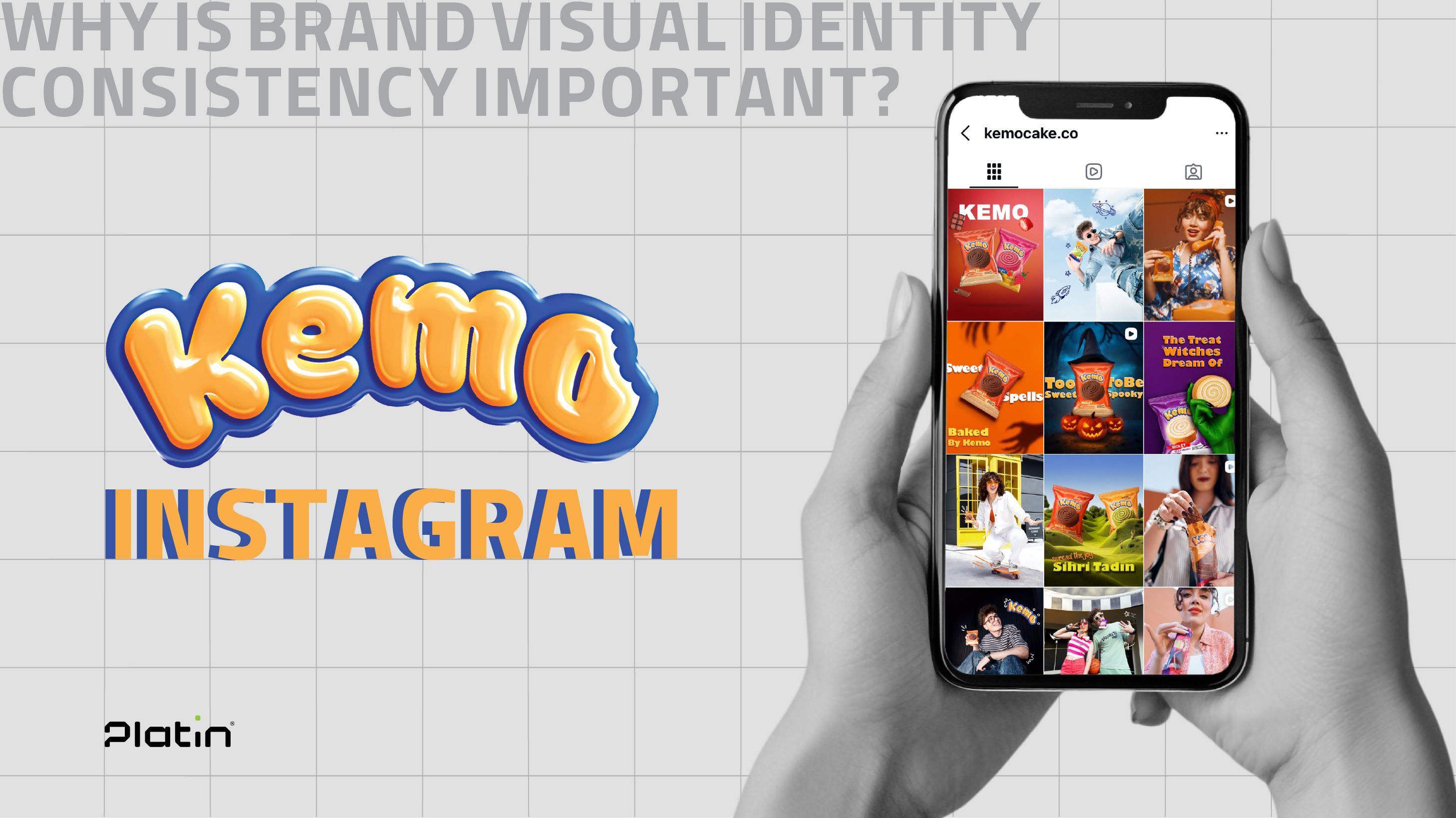
The key benefits of visual identity consistency include:
- Enhanced brand recognition: Consistent use of visual elements such as color palette and typography creates a cognitive pattern that facilitates brand identification across contexts.
- Strengthened trust and credibility: Consistent visual identity across all channels reflects professionalism and commitment to quality standards.
- Effective brand messaging: Alignment among visual elements acts as a non-verbal amplifier, helping the audience understand the brand’s core values.
- Competitive differentiation: A cohesive visual identity is essential for standing out in today’s crowded market and creating a unique position in the audience’s mind.
Overall, achieving consistency in visual identity—a core expertise of Platin Advertising Agency’s branding services—goes beyond design uniformity. It serves as a language through which the brand’s identity, values, and positioning are communicated without verbal explanation.
Familiarize Yourself with Different Brand Strategies
Branding manifests through diverse strategies, and an informed choice of strategy constitutes a valuable business asset. This strategic selection requires careful consideration of factors such as target audience characteristics, organizational field, budget constraints, and marketing plans. Some of the key branding services provided by Platin include:
Personal Branding
Personal branding focuses on an individual rather than an organization. This approach is typically employed by public figures such as artists, athletes, and business owners to shape their professional image. For instance, American author Seth Godin has built a strong personal brand centered on his marketing expertise, which has become a valuable asset enabling collaborations and wide audience reach. This success illustrates that personal branding can be a powerful and lasting investment.
Product Branding
Product branding is one of the most common forms of branding, playing a crucial role in differentiating a product in a competitive market. It uses distinctive symbols and designs as a language to identify the product. These visual elements help customers quickly recognize and remember the product among alternatives, establishing a lasting connection with the consumer beyond mere product introduction.
Corporate Branding
Corporate branding goes beyond advertising, serving as a foundational asset and collective identity for an organization. This strategic process presents the company’s values, mission, and personality coherently and purposefully to the market. It not only builds recognition and credibility but also establishes a trustworthy and distinct image, forming the basis of sustainable relationships with stakeholders and customers. In essence, corporate branding provides the framework that gives meaning to all business interactions.
Service Branding
Service branding focuses on customer experience and meeting expectations. By delivering superior services and creating distinct value, this approach demonstrates respect for customers. It strengthens loyalty and forms the core identity of a service brand, positioning it as a symbol of commitment and quality in the audience’s mind.
Co-Branding
Co-branding is a strategic approach based on partnerships between two or more brands to achieve shared marketing goals. This strategic convergence expands brand recognition and facilitates entry into new market territories. Each brand benefits from the credibility and audience of the other, creating mutual growth and greater impact in the business ecosystem.
Online Branding
Online branding is a dynamic strategy that allows businesses to effectively establish their identity in the digital space. Through websites, social media, and other digital channels, it has become a critical factor in accelerating sustainable business growth.
Important Note on Platin’s Brand Strategy Services
"At Platin, all visual identity services—from creation to redesign of a cohesive visual identity—are grounded in brand strategy to ensure that every visual element aligns with your overarching brand goals."
What Is the Difference Between Brand Visual Identity and Branding Services?
Here, we clarify three key concepts and their hierarchical relationship:
- Brand: The ultimate image in the audience’s mind, combining name, visual marks, core values, commitments, customer experiences, and emotions. It represents the comprehensive identity that is fixed in the audience’s perception.
- Branding: The process of building and managing a brand, encompassing research, strategy development, design, marketing campaigns, and communication management.
- Visual Identity: A tangible manifestation of the brand, focused on visual and graphic aspects. It translates the brand strategy into a recognizable and concrete system of design elements.
How Are Brand Strategy and Visual Identity Consistency Related?
The relationship between branding strategy and visual identity consistency is hierarchical and reciprocal:
- Foundation and pillar: Brand strategy defines objectives, values, positioning, and personality, while visual identity serves as the practical pillar that makes abstract concepts visible.
- Expression and embodiment: Brand strategy determines the “why” and “what” of the brand, whereas visual identity consistency governs the “how,” ensuring each visual element reflects the overall strategy.
- Reinforcement and credibility: Consistency strengthens brand recognition, builds audience trust, and facilitates strategic goal achievement.
- Feedback loop: Visual identity provides data on audience reactions, enabling continuous optimization of both domains.
In essence, these two concepts are inseparable, and brand success depends on their full alignment.
Key Elements of Visual Identity Consistency
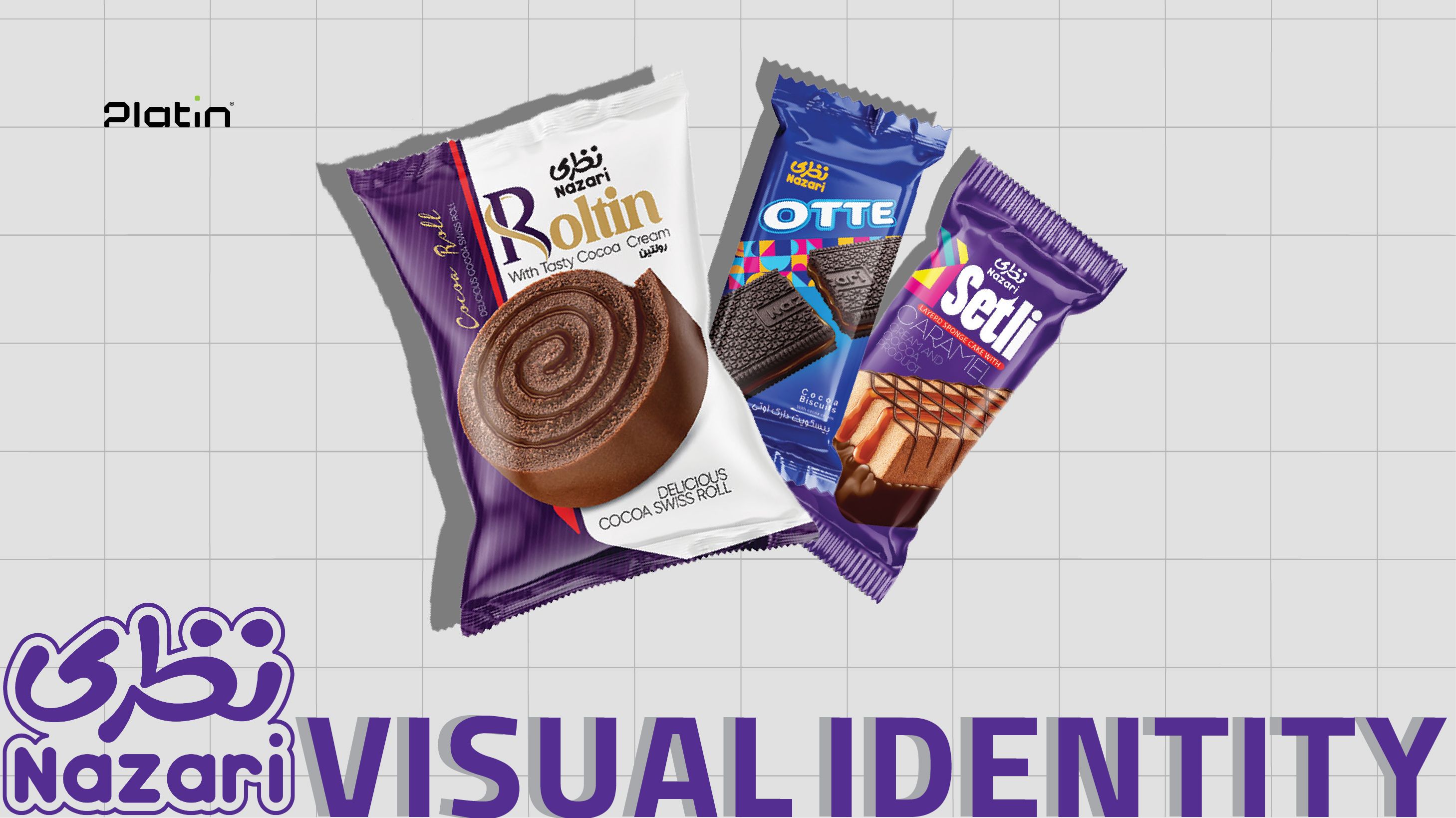
Achieving visual consistency requires adhering to clear principles across all brand elements. Key components include:
- Logo: Uniform presentation across media without unauthorized modifications.
- Color palette: Consistent use of defined colors to create lasting mental associations.
- Typography: Cohesive use of fonts across all textual content.
- Design style: Consistent selection and processing of images and graphic elements.
- Content tone: Stability in verbal expression alongside visual elements.
This cohesive framework not only strengthens visual identity but also builds trust and reinforces brand memorability.
How to Maintain a Consistent Visual Identity
Long-term consistency requires structured frameworks and a systematic approach:
- Develop a comprehensive brand guide specifying standards for all visual elements.
- Utilize specialized design tools with predefined templates to ensure uniform outputs.
- Manage visual content strategically, adapting formats to platforms while preserving style.
- Foster ongoing cross-departmental collaboration to align design, marketing, and content teams.
- Implement calculated updates to evolve the visual identity while maintaining core elements.
This systematic approach ultimately enhances competitive positioning and brand equity.
Practical “Platin” Recommendations for Effective Visual Identity
- Prioritize strategy: Visual identity should reflect your brand strategy. Clearly define your positioning, values, and audience first.
- Create visual guidelines: Include rules for logos, color palettes, fonts, and graphic elements.
- Maintain consistency: From websites and social media to packaging and ads, ensure a coherent and predictable brand appearance.
- Keep it simple and distinctive: Avoid clutter; simple and authentic design is memorable and enduring.
We apply these principles to help you craft a visual identity that conveys your brand story with clarity and impact. A brand guideline is a practical document aligning visual identity and brand strategy, ensuring every brand interaction supports your strategic goals.

Conclusion
This article demonstrates that brand success depends on two key elements: a well-defined brand strategy as the roadmap and a cohesive visual identity as the tangible, effective language conveying that strategy. When fully aligned, these elements ensure the brand is prominently visible in today’s crowded market and establishes a memorable and trustworthy presence in the audience’s mind.
Platin Agency, with years of experience in visual identity design and brand strategy, is ready to accompany you on this journey, telling your brand story consistently and enduringly. We hope this content proves useful and insightful—thank you for your attention and support.
