
The difference between visual identity and verbal identity

Introduction
A strong brand is a cohesive system—not a logo, not a tagline, but a unified personality that interacts with its audience across every touchpoint. This personality comes to life through two foundational pillars: visual identity and verbal identity.
Visual identity shapes the brand’s first impression through design elements such as logo, color, typography, and imagery. Verbal identity builds meaning and emotional connection through tone of voice, vocabulary, and messaging architecture.
When these two dimensions operate in harmony, the brand achieves a seamless, memorable, and trustworthy presence across all channels—a presence that reflects both the essence and the experience of the brand.
Understanding Brand Identity: A Dual-Dimension System
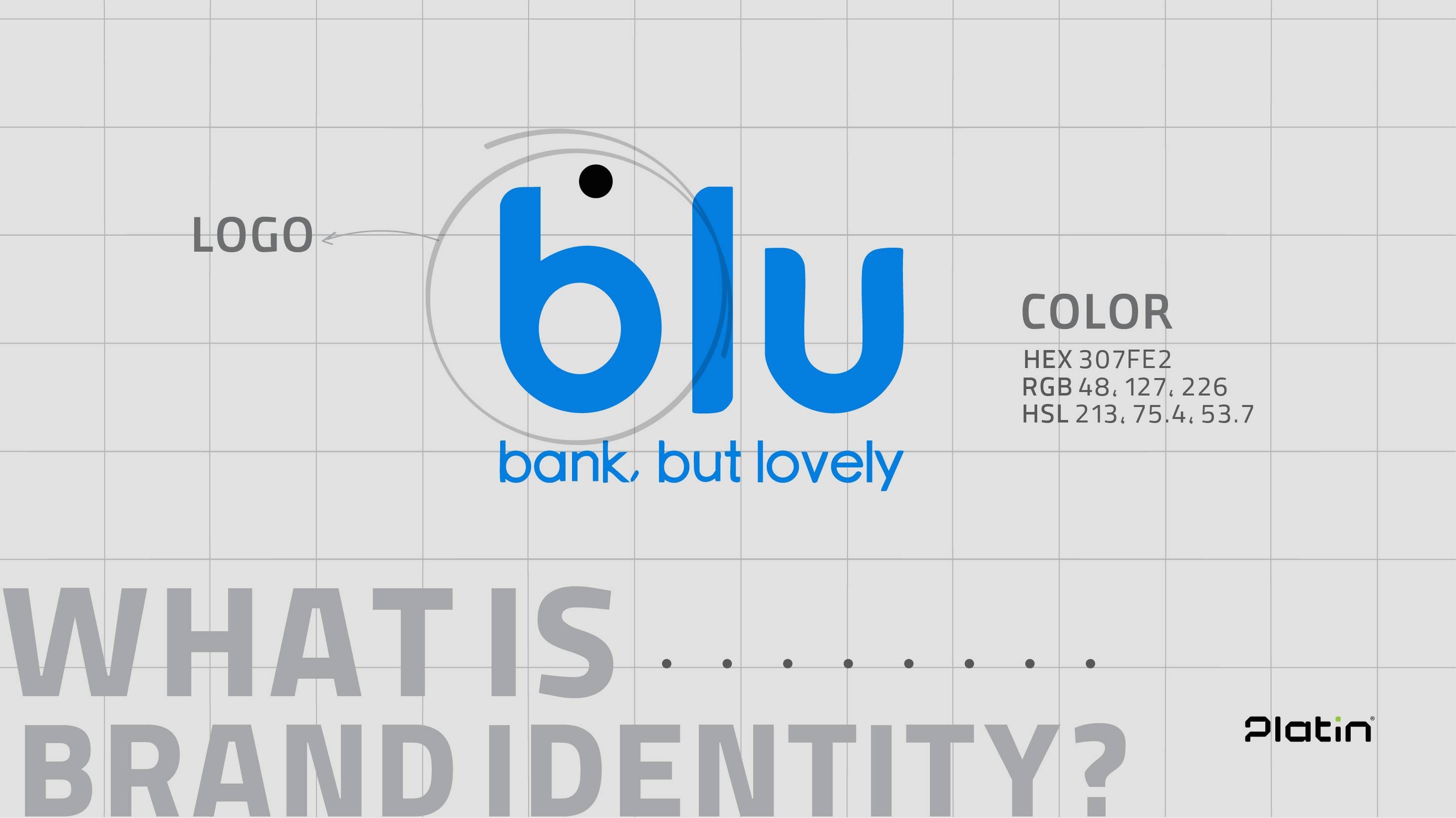
Brand identity is the intentional expression of how a company wants to be perceived. It is constructed through strategic design, communication, and brand behavior. The identity system includes two key dimensions that reinforce one another:
1. Internal Dimension (Brand Core)
This encompasses the brand’s purpose, values, positioning, and cultural DNA. It defines why the brand exists and what it stands for.
The internal dimension provides clarity, consistency, and strategic direction for all brand expressions.
2. External Dimension (Brand Expression)
This dimension includes everything the audience sees, hears, and experiences—from design language to communication style and customer interactions.
It forms the brand's public-facing perception and strengthens recognition and differentiation.
Together, these two layers create a coherent, scalable brand system that aligns internal strategy with external expression.
Visual Identity
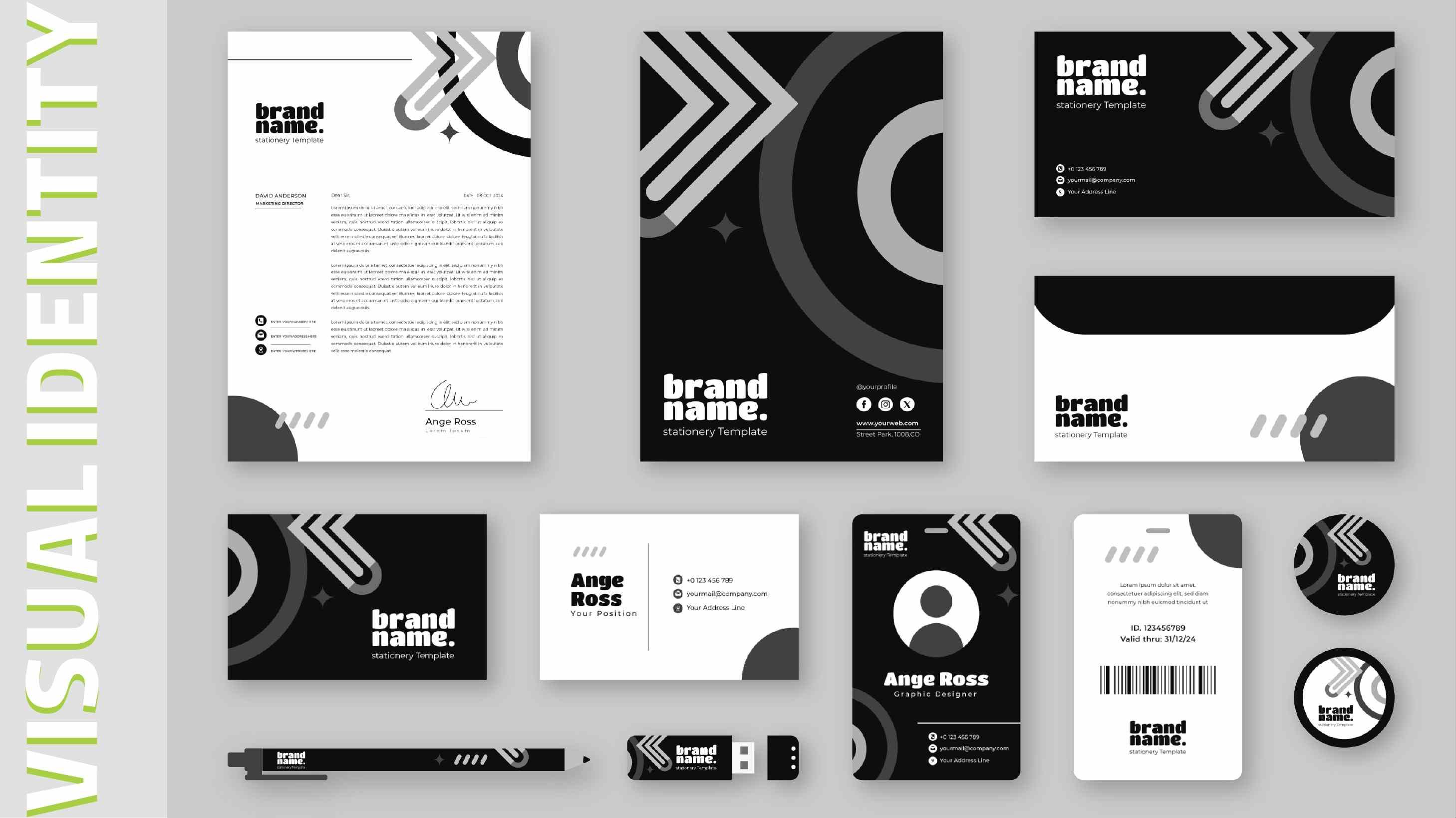
Visual identity is the structured design system that expresses the brand’s personality and strategic positioning through visual elements. It translates the brand’s essence into a tangible, recognizable form.
Key components include:
- Logo System:
A scalable symbol that anchors the brand’s entire visual ecosystem. - Color Palette:
A strategic selection that conveys emotion, supports differentiation, and improves brand recall. - Typography System:
A font architecture that expresses character, hierarchy, and clarity across all content. - Iconography:
Consistent graphic elements that enhance usability and reinforce the brand’s visual logic. - Patterns & Graphic Assets:
Repeated design motifs that create continuity across packaging, digital experiences, and print materials. - Photography Style & Art Direction:
The visual narrative that captures the brand’s mood, values, and lifestyle positioning. - Overall Design Language:
The unified visual framework that ensures coherence across all brand touchpoints.
Visual identity is not just aesthetics—it is a strategic communication tool that enhances recognition, builds perception, and reinforces brand positioning.
Verbal Identity

Verbal identity is the brand’s linguistic system—its method of speaking, writing, and expressing meaning. It defines how a brand communicates, not just what it communicates.
Core components include:
- Tone of Voice:
The emotional character of the brand’s communication across different contexts and platforms. - Messaging Framework:
A structured approach to key messages, value propositions, and narrative hierarchy. - Brand Vocabulary & Lexicon:
The signature words, phrases, and linguistic patterns that build familiarity and exclusivity. - Copywriting Style:
The expressive guidelines for crafting headlines, taglines, storytelling, and CTA language. - Language Consistency:
Ensures brand communication remains unified across digital channels, campaigns, and customer interactions.
Verbal identity is essential for building emotional resonance, clarity of messaging, and long-term trust.
Visual Identity vs. Verbal Identity: Key Differences
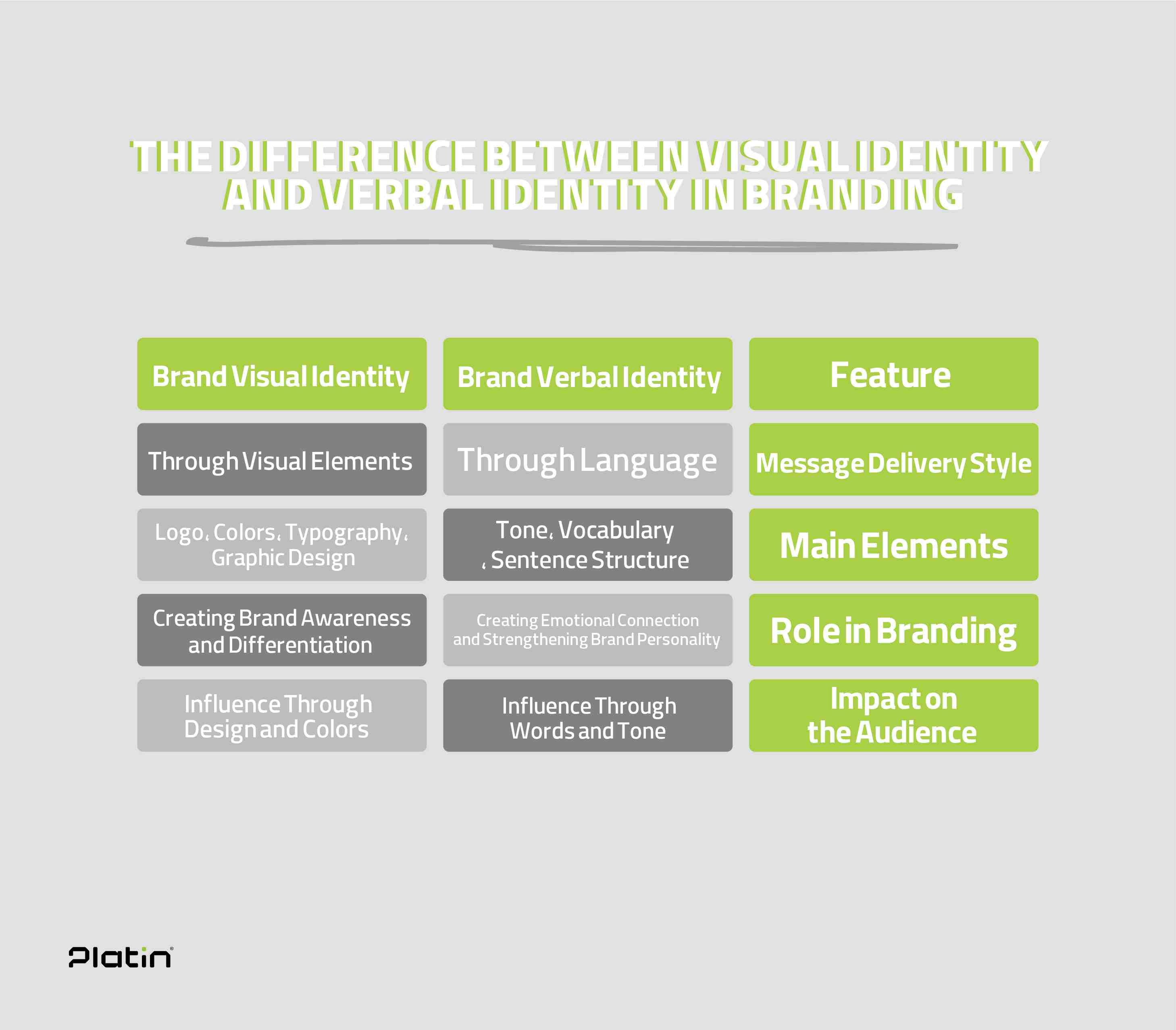
While distinct in function, both are mutually dependent—and neither can fully communicate the brand’s essence without the other.
The Interplay Between Visual and Verbal Identity
A brand becomes truly powerful when its visual and verbal systems are aligned.
When tone of voice mirrors the mood of the design, when messaging aligns with visual language, and when both systems originate from a unified brand strategy, the result is:
- Stronger brand recognition
- Higher trust and credibility
- More coherent customer experience
- Clearer differentiation in competitive markets
- Stronger emotional connection with the audience
Without a defined verbal identity, even the most sophisticated visual identity feels incomplete.
Without a strong visual identity, verbal expression loses impact and memorability.
The synergy of both produces a cohesive brand ecosystem that reinforces strategy, storytelling, and user experience.
Conclusion
Visual identity and verbal identity are not parallel disciplines—they are interdependent components of a holistic brand system.
Visual identity attracts, distinguishes, and anchors perception.
Verbal identity communicates, persuades, and builds emotional resonance.
When integrated, they create a unified brand experience that is clear, credible, and unforgettable.
Achieving alignment between how a brand looks and how it speaks is the cornerstone of effective branding—and the foundation for customer trust, loyalty, and long-term brand equity.
FAQs
Why do brands need both visual and verbal identity?
Because one shapes perception while the other shapes meaning—and only together do they create a complete, consistent, and scalable brand experience.
How do visual and verbal identities influence each other?
They reinforce each other by ensuring the brand’s tone, design, messaging, and experiences stem from the same strategic core.
What is the difference between the internal and external dimensions of brand identity?
The internal dimension defines the brand’s values and strategy, while the external dimension expresses these values through design and communication.
