


Imagine a customer hearing your brand’s name for the first time in a video ad. Then they visit your website, explore a few products, maybe contact your sales team, or check your social media posts. What remains in their mind after this chain of interactions is the brand experience — also known as BX.
Contrary to common belief, brand experience is not limited to a purchase moment or the aesthetics of a campaign. It is the user’s gradual perception of a brand, formed over time and across all touchpoints — from a website’s interface design to the tone of customer support, from the feeling evoked by packaging to the sense of trust or doubt during interaction. All these elements collectively shape the brand experience.
In this article, we define brand experience from the ground up, clarify how it differs from concepts such as customer experience, brand image, and emotional branding, and explore practical methods to help you build a professional, effective BX.
Brand Experience (BX) refers to the overall perception an audience forms about a brand through all interactions and touchpoints. It does not originate from a single moment but from a collection of emotions, thoughts, behaviors, and reactions that gradually develop in the user’s mind.
Brand experience begins the moment someone encounters your brand — even before becoming a customer. This could happen through an ad, visiting your website, browsing social content, or hearing others’ opinions. What matters is that every encounter triggers a particular feeling — and that feeling forms the foundation of your brand experience.
Next, we explore how brand experience differs from closely related concepts and why understanding these distinctions is essential for creating a professional brand.
Successful brands don’t just sell products or services — they create feelings, meaning, and experience. In a fiercely competitive market where customers compare dozens of options with a single click, the ultimate differentiator is brand experience. When designed well, it becomes a long-lasting competitive advantage.
Here’s why BX matters:

A common misconception among businesses is assuming Brand Experience (BX), Customer Experience (CX), User Experience (UX), and User Interface (UI) are the same. Although closely linked, each plays a distinct role in shaping audience perception:

In short, BX is the umbrella, and CX, UX, and UI are its sub-components. Poor UX or UI leads to weak CX, which ultimately damages the overall brand experience.
For a brand experience to become memorable, it must activate four essential dimensions. These dimensions create sensory, emotional, cognitive, and behavioral engagement, each shaping how audiences react to the brand:

Designing brand experience is a multi-layered process requiring a deep understanding of the audience, brand identity, and touchpoints. A successful BX is not merely a beautiful campaign or design — it is the result of consistency, repetition, and harmony across all interactions.
Here are the key elements:
The audience must encounter a consistent brand personality across all touchpoints. Tone of voice, visual identity, values, taglines, and even employee behavior should align. Any inconsistency leads to a confusing and unstable experience.
In the digital era, first impressions are often formed through websites, apps, or social media pages. User-friendly design, smooth journeys, clear messaging, and fast responses shape digital brand experience. A strong UI/UX is one of the most powerful tools for creating positive BX.
Storytelling creates a bridge between brand mission and customer emotion. Inspiring, relatable, and human stories transform brand experience into a shared feeling. People respond emotionally to authentic stories — not to dry, promotional statements.
Human senses are primary channels of experience. Smart use of colors, sounds, scents, packaging, and music can embed lasting memories in the user’s mind. Emotional triggers such as calmness, trust, or excitement deepen the experience.
Every touchpoint — from customer support chats to delivery experience or in-store interaction — builds the brand story. When touchpoints are inconsistent, even the strongest campaigns lose impact.
Today’s customers expect brands to recognize them. A memorable experience is personal and relevant. Data-driven personalization, smart recommendations, and targeted responses create unique and valuable experiences.
To better understand brand experience in practice, consider these real-world examples from brands that excel in BX:
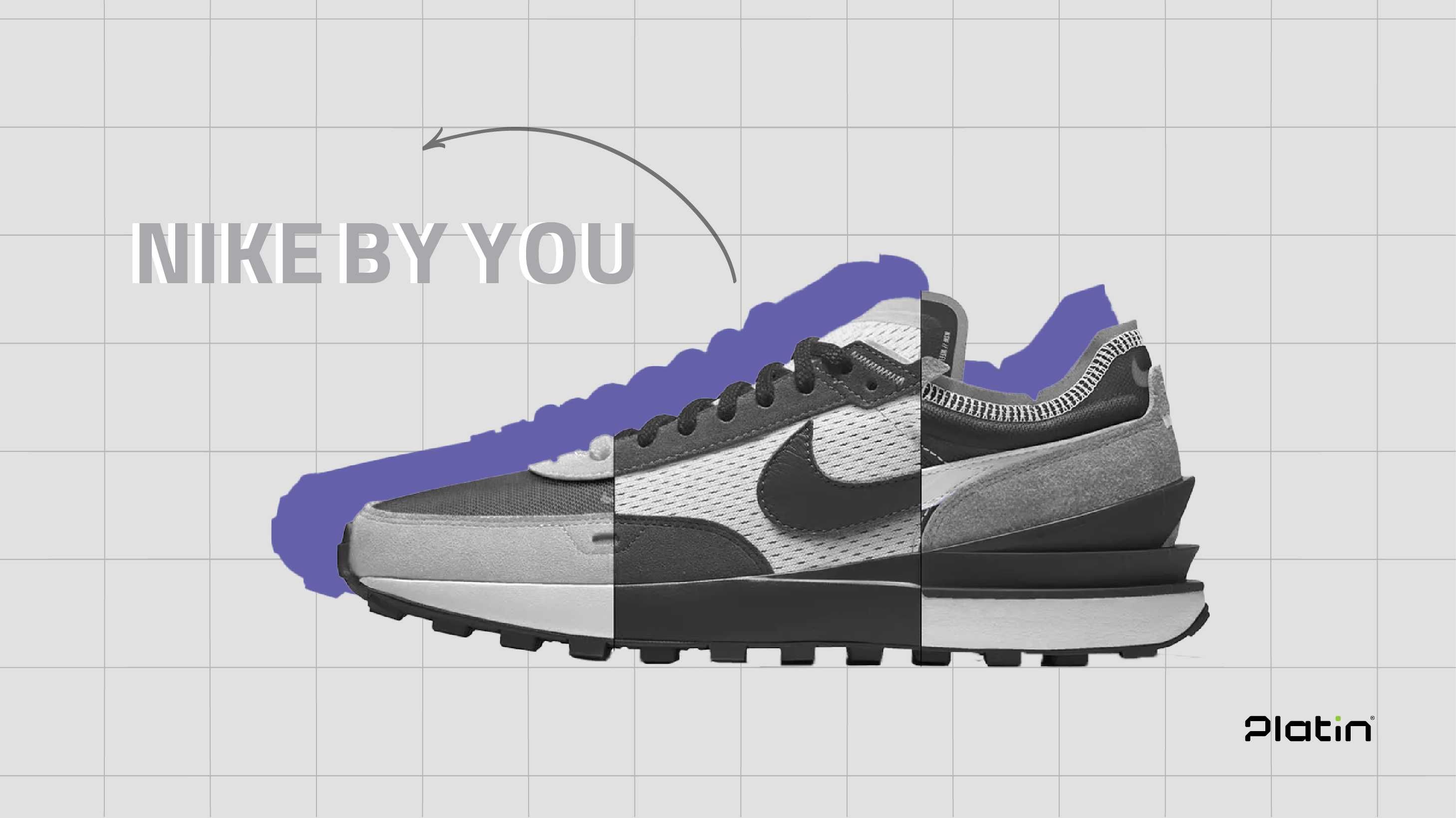

Brand experience goes far beyond beautiful design, clever advertising, or even high-quality products. BX is the heartbeat of a brand — the reason customers return, recommend it to others, and feel connected to it. If a brand is a relationship, then brand experience is the language of that relationship. When spoken clearly and consistently, it builds trust, differentiation, and long-term business success.
If you want your brand to not just be seen but truly felt, Platin is here to guide you. At Platin, we consider brand experience an investment — not just a promotional tool. Through deep audience insights, cohesive messaging, and experience-driven strategies, we help move your brand from images and words into the hearts and minds of your audience.
A brand promise is the commitment a brand makes regarding its values and benefits. Brand experience is the actual result the audience receives through interactions. When the two don't align, trust is lost.
No. Brand experience is shaped across all touchpoints — online (website, social media, app UI) and offline (packaging, retail design, employee behavior).
Tools such as customer surveys, social feedback analysis, and loyalty metrics like NPS can evaluate BX. Improving it requires deep audience understanding, consistent messaging, and designing experiences aligned with customer values and emotions.
