

A digital marketing plan is a strategic and comprehensive framework for managing and directing a business’s online marketing activities. It typically encompasses market analysis, target audience identification, content strategy development, digital advertising, and defining key performance indicators (KPIs).
The primary goal of a marketing plan is to engage effectively with customers across social media channels, search engines, and other digital platforms, thereby enhancing brand visibility and driving sales growth.
Beyond cost optimization, a marketing plan enables precise measurement of results and rapid strategic adjustments, ensuring a sustainable, goal-oriented growth trajectory for the business in the digital landscape.
Read on with Platin to explore the full scope of a marketing plan.
A well-structured marketing plan is an indispensable tool for any business. Different types of marketing plans outline the growth path and support management in making informed, data-driven decisions. Each plan aims to synchronize advertising, sales, and branding efforts, ensuring the organization progresses along a clear trajectory. Familiarity with these types of plans allows businesses to scale efficiently and strategically.
A strategic marketing plan provides a long-term framework for guiding the company’s marketing initiatives. It involves thorough analysis of market conditions, competitors, and customer behavior to establish the organization’s overarching direction.
This process begins with an evaluation of the company’s current competitive positioning and market requirements, followed by the identification of target markets and marketing objectives. Subsequently, strategies regarding pricing, advertising, distribution, and customer relationship management are developed to facilitate goal achievement. Implementation occurs within a defined budget to optimize resource allocation and ensure actionable execution.
With the evolution of technology and consumer behavior, digital marketing has emerged as a critical communication channel for businesses. Digital marketing plans focus on leveraging social media, search engines, and online advertising to engage directly with audiences.
Insights derived from these channels enable businesses to analyze customer behavior and make informed, data-driven decisions. Benefits include lower costs, wider reach, and precise performance measurement. Accordingly, many companies allocate a significant portion of their marketing budget to digital campaigns to maximize return on investment.
Although digital channels dominate today, traditional marketing remains relevant. This approach relies on media such as television, radio, newspapers, and billboards to deliver messages to audiences.
It is especially effective for businesses targeting broad customer segments across diverse age and cultural groups. Traditional marketing helps establish trust, build brand recognition, and create a lasting impression. Despite higher costs, it remains an essential strategy for brand introduction in local or competitive markets and is suitable for specific industries.
Content marketing is an intelligent approach for attracting and retaining customers. By creating valuable and informative content, brands gradually build trust and strengthen their positioning in the audience’s mind.
A content marketing plan involves strategy development, content creation, distribution, and performance evaluation. Content can be textual, visual, video, or audio and should align with audience needs. Regular posting across social media and websites increases traffic and engagement. Performance metrics enable marketers to refine strategies and achieve superior results.
Launching a new product or service requires a dedicated marketing plan, often including participation in exhibitions or promotional events. Companies frequently collaborate with event management providers for execution.

The plan begins with analyzing market needs and identifying competitors, followed by defining the product’s positioning and promotional strategy. Selecting appropriate channels, determining the advertising budget, and scheduling campaigns are critical steps. The ultimate goal is to raise awareness, accelerate sales, and secure a strong market position for the new product.
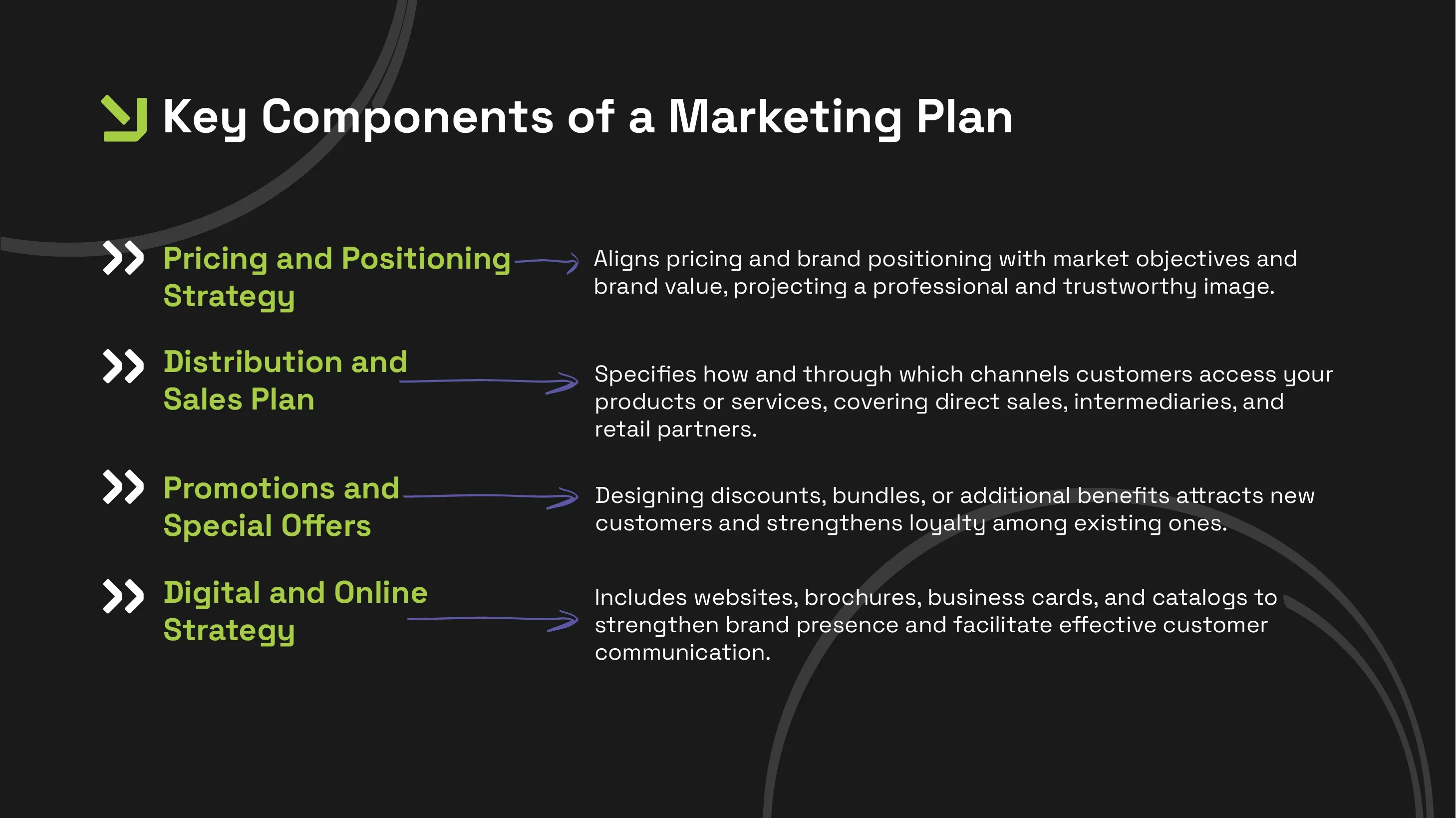
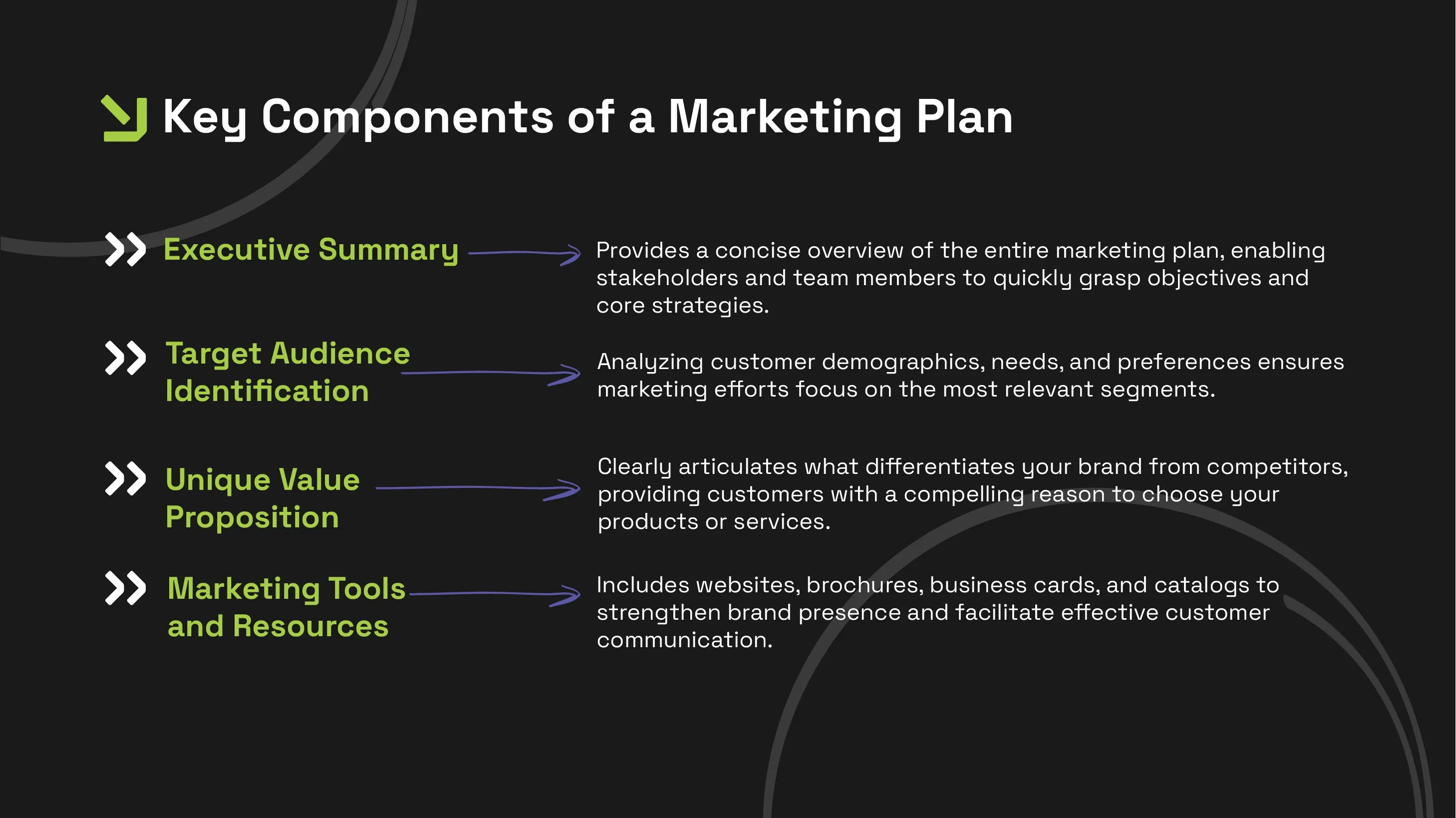
A successful marketing plan comprises essential elements that define the business’s growth trajectory. These components help identify target customers, highlight the brand’s unique value, and determine the most effective methods for product or service delivery.
From pricing and brand positioning to promotional offers and marketing tools, all elements work cohesively to attract customers and ensure sustainable business growth. Key components include:
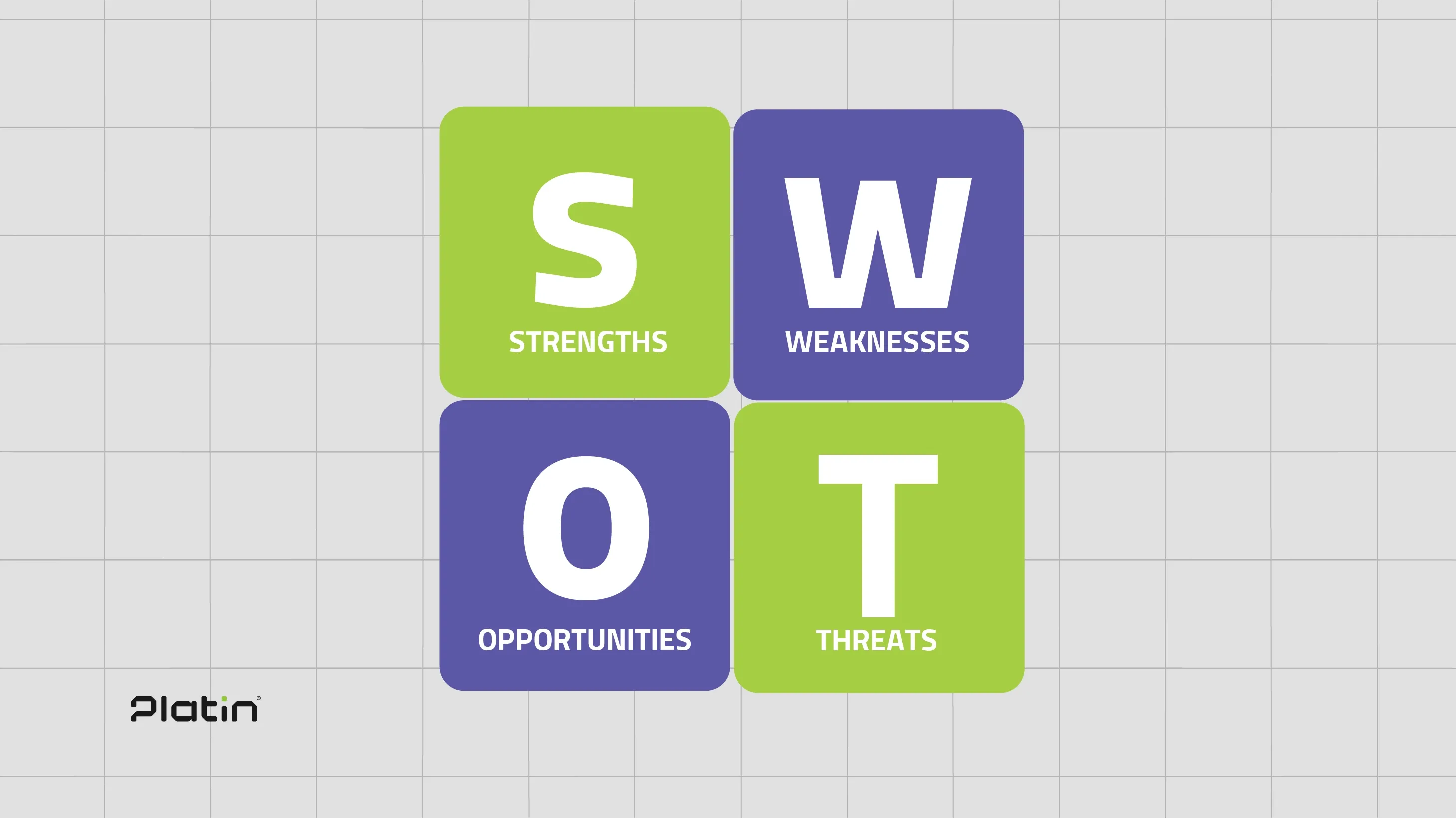
Creating a marketing plan involves detailed market analysis, customer understanding, and meticulous planning of marketing activities. Key steps include:
Businesses can either develop a marketing plan in-house or collaborate with specialized agencies. Regardless of approach, essential considerations include:
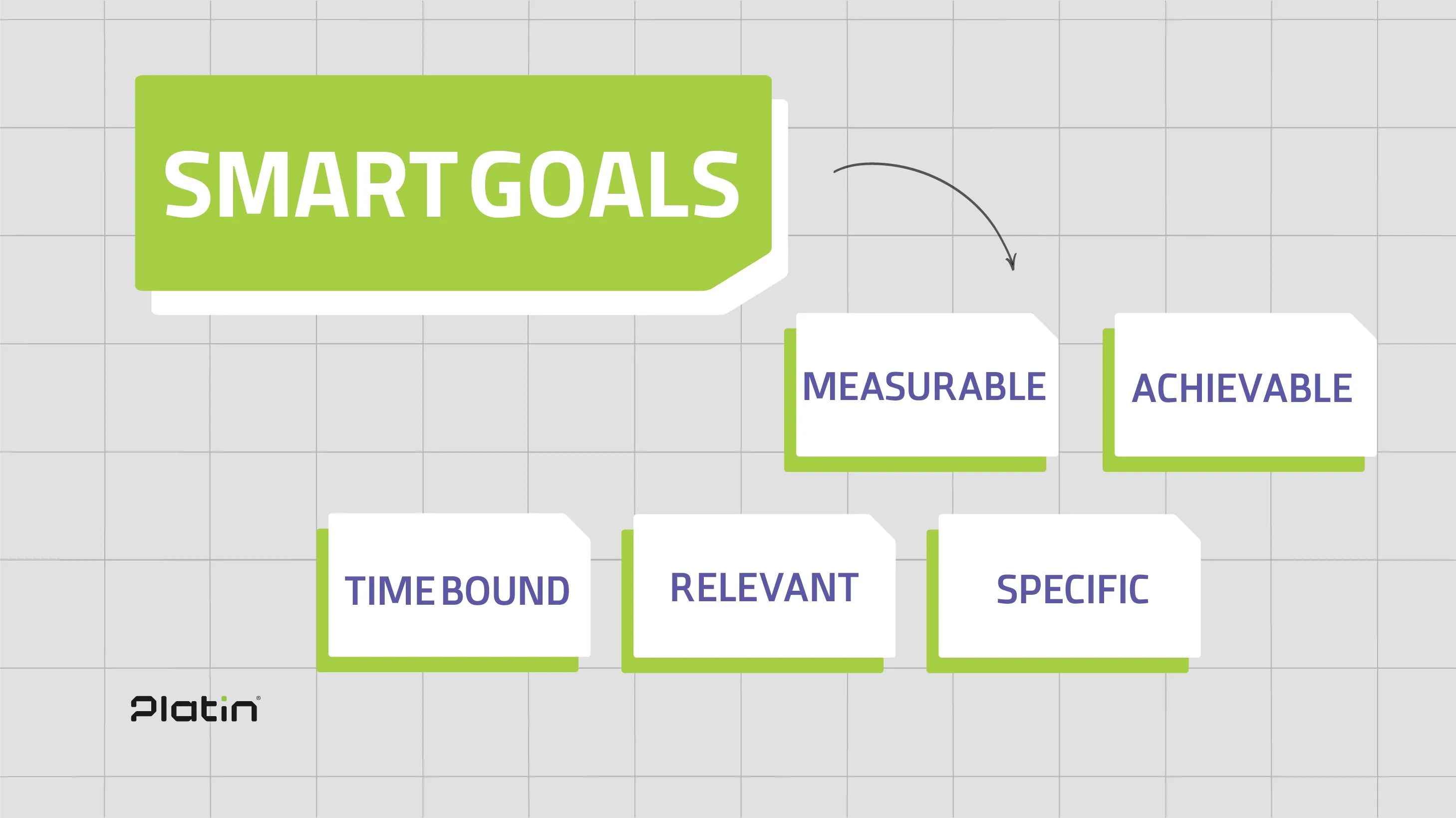
Executing a marketing plan turns objectives into tangible results. Continuous monitoring allows tracking progress, measuring success, and making timely, data-driven adjustments.
McDonald’s: A comprehensive plan addressing internal and external analysis, marketing objectives, and the marketing mix, ensuring alignment across teams.
Dell: Focused on target markets and industry trends, outlining competitor analysis, strategic priorities, and annual marketing budgets to maintain market share and sales growth.
Coca-Cola (2020): Implemented a content-focused marketing plan leveraging the 70/20/10 principle, event-driven content, and data optimization to enhance brand engagement and operational efficiency.

A precise marketing plan clarifies the business direction, establishes a structured decision-making framework, optimizes resource allocation, and ensures alignment with organizational objectives. Benefits include:
A well-structured marketing plan provides a strong foundation for business success. By understanding customers, analyzing the market, and setting clear objectives, organizations can make informed marketing decisions. Implementing digital, content, advertising, and product launch strategies enables effective customer engagement and measurable results. For a specialized marketing plan tailored to your business, Platin Agency offers expert services to ensure sustainable growth and long-term success.
A comprehensive program for managing online advertising, content, social media, and brand visibility.
It provides a structured roadmap for decision-making, resource allocation, and business efficiency.
Key components include an executive summary, audience analysis, value proposition, pricing strategy, distribution plan, marketing tools, and digital strategy.
Through market analysis, customer understanding, and careful planning, a professional and effective marketing plan can be developed.
