
What Is Brand Awareness? 5 Effective Strategies to Increase Brand Awareness

Introduction
In today’s highly competitive marketplace, consumers are surrounded by countless product options. The first essential step toward boosting sales and building loyalty is ensuring customers actually know your brand.
This is where a crucial marketing metric steps in: brand awareness. To ensure a brand becomes recognizable and memorable to its audience, businesses must actively invest in strengthening this metric through strategic initiatives.
Brand awareness is so critical that without it, even the strongest sales efforts may fail to deliver results. In this article from Platin, we explain the concept and importance of brand awareness, introduce practical strategies to increase it, and outline methods to measure progress effectively — helping your brand achieve better visibility and higher sales.
What Is Brand Awareness?
In marketing, brand awareness refers to how familiar consumers are with a product based on its name. At the ideal level, brand awareness means consumers not only recognize the product but also hold a positive perception of it compared to competitors.
Research shows that customers are more likely to notice, recall, and choose brands they already know. Therefore, stronger brand awareness leads directly to improved sales performance. Iconic brands like Coca-Cola and Pepsi have leveraged extensive awareness strategies to become consumers’ first choice globally.
Today, there are diverse solutions available for entrepreneurs and marketing teams to enhance brand awareness effectively.
Why Is Brand Awareness Important?
Brand awareness influences how customers behave at the moment of purchase. It builds trust, credibility, and brand preference, eventually translating into:
- Increased conversions
- Stronger loyalty
- A larger share of market demand
In short, awareness drives attention — and attention drives sales.
How to Increase Brand Awareness?
If you think a few paid ads on Instagram are enough to build meaningful brand awareness — think again. This process requires proper planning, patience, and smart marketing techniques.
Here are the most effective strategies:
1. Active Presence on Social Media
Before relying on paid campaigns, start with organic growth.
Consistent social media activity costs less yet creates long-lasting results.
Tips:
- Communicate with audiences authentically
- Respond promptly to comments and messages
- Encourage interaction through relatable content
Human-to-human engagement builds familiarity — and familiarity becomes awareness.
2. Influencer Marketing
A strong shortcut for boosting visibility, especially on Instagram.
Influencers hold audience trust — use that influence to introduce your products.
Simply let them review, demonstrate, and share their experience with your brand.

3. Storytelling
Nothing captures attention like a good story.
Storytelling emotionally connects customers to the brand, making it memorable.
Share real narratives such as:
- The brand origin story
- Customer experiences
- Challenges and milestones along your journey
Stories turn brands into living characters audiences relate to.
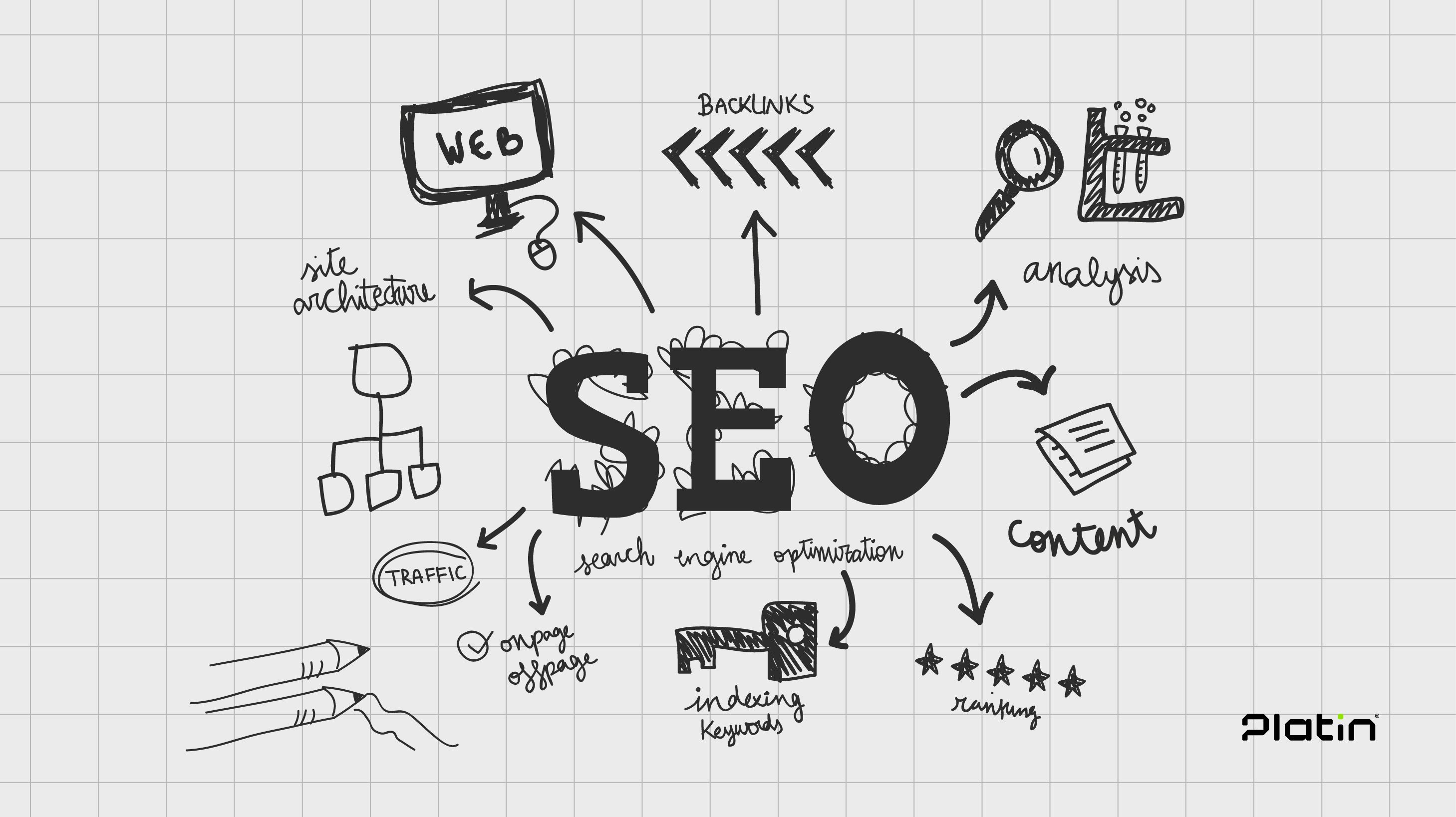
4. Search Engine Optimization (SEO)
Having a website alone isn’t enough — it must be discoverable.
SEO ensures Google recognizes your brand and ranks you among the top search results, significantly increasing organic visibility.
5. Referral Marketing (Word-of-Mouth)
Customers trust recommendations from people they know.
Encourage referrals by offering rewards such as discounts or gifts.
Satisfied customers become brand ambassadors.
How to Measure Brand Awareness?
Tracking progress is essential. Here are common measurement methods:
Method | Metric | Tools |
| Surveys | Public familiarity with the brand | Google Forms, Porsline |
| Brand Search Volume | Frequency of brand-name searches | Google Trends |
| Brand Mentions | Mentions across digital media | Brandwatch |
| Website Traffic | Organic and direct site visits | Google Analytics |
| Social Engagement | Views, likes, comments, shares | Instagram Insights |
Types of Brand Awareness
As a marketer, understanding awareness models helps optimize brand strategy.
Brand awareness is categorized into two main types:
- Brand Recognition
Customers recognize your brand among alternatives — common in FMCG markets.

- Brand Recall
Customers remember your brand spontaneously — without seeing a list or product lineup.
Both are essential — recognition opens the door, recall wins the sale.
Three Common Mistakes in Building Brand Awareness
1. Lack of Clear Definition
Team members may have different interpretations of brand awareness. Establish a unified standard for accurate analysis and reporting.
2. Unrealistic Expectations
Brand awareness takes time — especially in a crowded market. Sustainable results require consistency, patience, and strategic investment.
3. Overlooking Long-Term Impact
Awareness influences every business action — from messaging to customer service. All activities must align with brand awareness goals.
Brand Awareness in the Product Life Cycle
The Product Life Cycle includes:
Introduction → Growth → Maturity → Decline
Brand awareness plays a vital role in the introduction stage. The more effectively you educate the market early on, the faster your sales accelerate and your brand gains traction.
Conclusion
In this article, you learned the definition and strategic importance of brand awareness — and how it directly impacts growth and sales.
By avoiding common mistakes and applying the right tools, you can significantly improve your brand’s visibility and market position. With consistent tracking and continuous improvement, brand awareness becomes a powerful driver of business success.
FAQs
What is brand awareness?
It is the level of recognition and positive perception consumers have toward your brand compared to competitors.
How can we increase brand awareness?
Through SEO, social media engagement, influencer marketing, and referral programs — among other smart marketing tactics.
What are the types of brand awareness?
Brand recognition and brand recall — one ensures familiarity, the other ensures memory and preference.
