
What Is Brand Loyalty?


Brand loyalty is a strategic asset that emerges when customers repeatedly choose a brand — not out of necessity, but Brand loyalty is when customers choose a brand repeatedly, driven by trust, emotional attachment, and a sense of belonging. based on trust, emotional attachment, and a genuine sense of belonging. In today’s competitive marketplace, where consumer choices continue to expand, this loyalty is what ensures long-term presence and sustainable profitability. Leading brands excel not merely at attracting customers, but at cultivating deep, lasting relationships with them.
In this article by Platin Agency, we explore the core dimensions of brand loyalty and provide practical strategies to help embed this invaluable advantage into your business.
What Is Brand Loyalty?
Brand loyalty is defined as a customer’s strong and ongoing commitment to a specific brand — a commitment that remains firm even in the presence of active competitors or minor product shortcomings. Customers who occupy the highest level of this loyalty pyramid not only continue purchasing themselves but also advocate for the brand, serving as its ambassadors and generating additional promotional value.
However, such loyalty is not unconditional nor permanent. Maintaining this valuable human capital requires strategic brand management — even a small misstep can quickly erode the trust earned over time.
At Platin Agency, our comprehensive branding strategies empower businesses to cultivate and sustain brand loyalty effectively.
Defining Brand Loyalty
Brand loyalty is a familiar concept to many. Imagine two people — one uses a Samsung mobile phone and the other a Sony device — and both are planning to upgrade. If the Samsung user is more likely to purchase Samsung again, we can infer a stronger level of loyalty toward that brand. This repeated preference reflects a bond that goes beyond transactional exchanges — the true manifestation of brand loyalty.
What Is Customer Loyalty?
Customer loyalty develops when positive purchase experiences lead to consistently choosing one brand over alternatives. Rooted in deep satisfaction, it results in continued purchases and long-term engagement. Incentive programs, fair pricing, and targeted promotions play an important role in shaping these experiences.
In simple terms, customer loyalty reflects the level of emotional attachment and commitment a customer feels toward a brand — expressed through repeat purchases, brand advocacy, and resistance to competitor offers. Through personalized services and exclusive benefits, brands not only retain existing customers but also attract new ones.
Brand Awareness Without Loyalty Has Limited Value
Brand awareness only represents recognition — knowing a name or logo. Without emotional commitment, this recognition does not translate into stable business value. Customers who merely know a brand can easily be swayed by a competitor’s campaign.
Brand Loyalty vs. Customer Loyalty
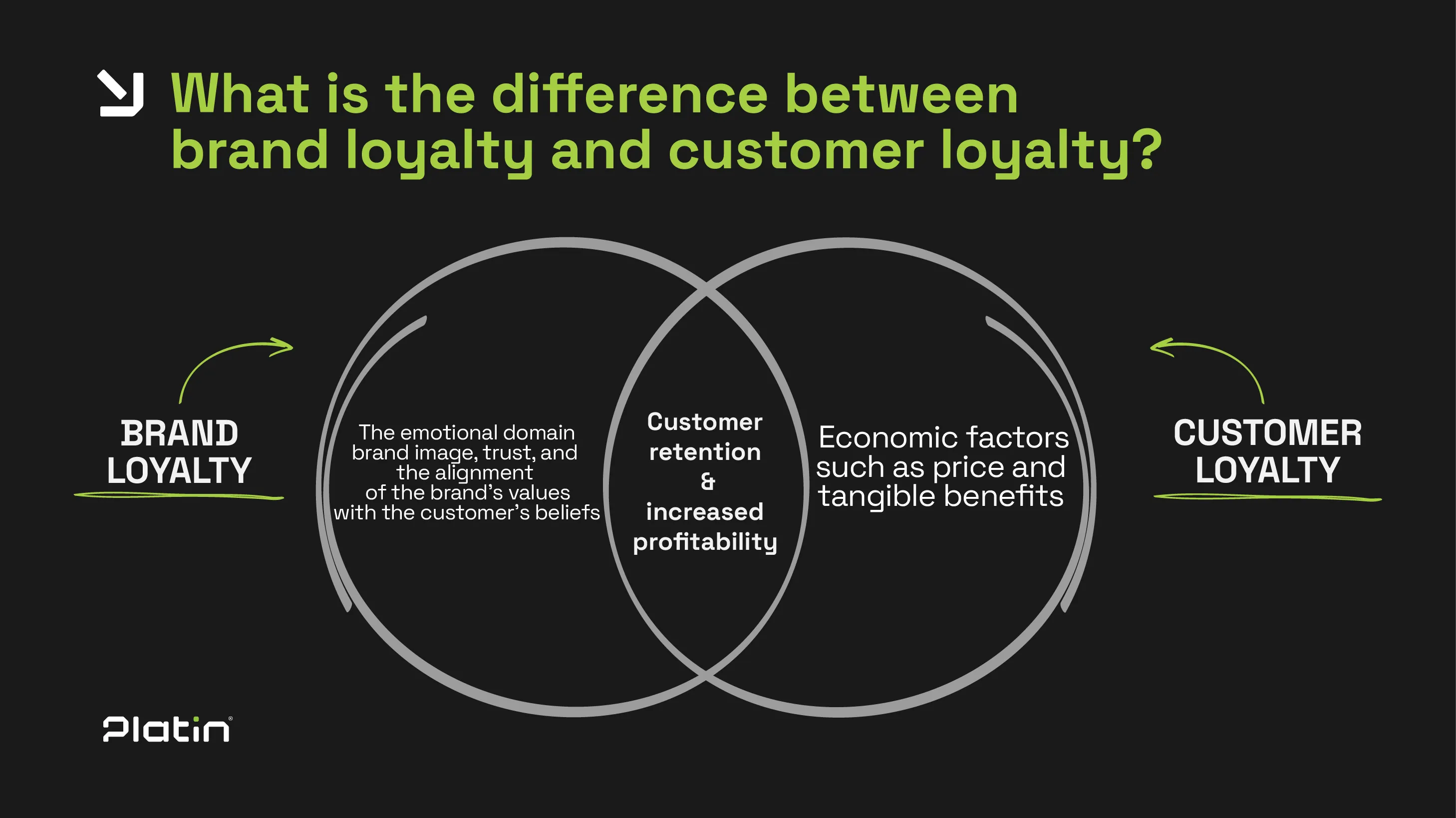
Although both concepts support customer retention, they differ fundamentally:
Ultimately, both contribute to sustained business success — when properly aligned.
Why Is Brand Loyalty Important?
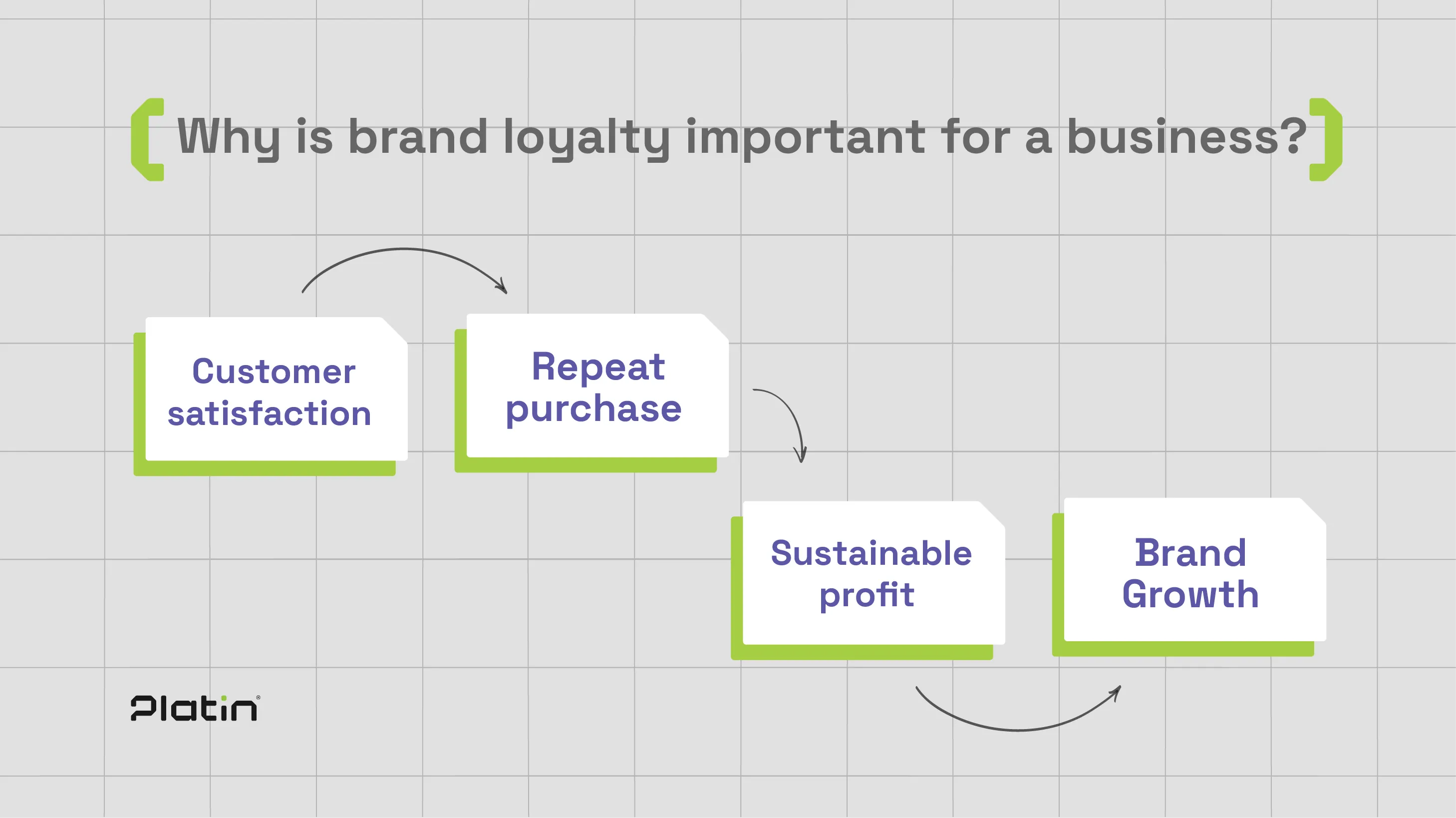
From Platin Agency’s perspective, brand loyalty is a strategic pillar for business growth:
1. Customers Purchase Again
Measuring satisfaction can predict repeat buying behavior. A satisfaction score of 7 or above out of 10 indicates a high likelihood of becoming a loyal customer.
2. Competitive Strength Increases
Customer-centric strategies drive sustainable success in competitive markets — beyond marketing alone.
3. Customer Churn Decreases
Contrary to common belief, churn is more often caused by poor service quality, not pricing. Investing in after-sales care preserves trust and loyalty.
4. Brand Reputation Is Protected
On average, a dissatisfied customer shares their negative experience with 9 to 15 people, rapidly damaging brand credibility.
5. Cost-Efficiency Improves
Acquiring a new customer costs 6–7 times more than retaining an existing one — making retention essential for long-term growth.
Why Both Brand Loyalty and Customer Loyalty Matter
Each serves a different role depending on the business model and market:
- Customer loyalty → performance-driven, requires continuous incentive optimization.
- Brand loyalty → emotionally driven, increases customer lifetime value.
A strategic blend of both, supported by strong customer experience, creates a profitable and resilient customer base.
Successful Examples of Brand Loyalty
Apple
With continuous innovation, premium design, and exceptional user experience, Apple has built one of the strongest loyalty ecosystems worldwide — boasting 89% customer retention and a Net Promoter Score of 72.

Through genuine environmental responsibility and high product durability, Patagonia has cultivated loyalty rooted in values and purpose.
Holding ~92% of the global search market, Google’s integrated ecosystem builds daily dependency — making its services indispensable to billions.
Successful Examples of Customer Loyalty
Starbucks
With 29 million active members, the Starbucks Rewards program drives over half of total sales through instant, redeemable incentives that keep customers engaged.
Walmart

Rather than a point system, Walmart Cash pays direct, flexible value — reinforcing loyalty through tangible savings.
Amazon
Amazon Prime, with 168 million+ members, uses a subscription-based model offering fast free delivery, streaming, and exclusive deals — creating continual brand interaction.
How to Make Customers Loyal to Your Brand
Actionable strategies recommended by Platin Agency:
- Implement reward programs tailored to customer value tiers.
- Build real, long-term emotional connections — beyond transactions.
- Provide premium product/service quality aligned with expectations.
- Understand customers deeply through data-driven insights.
- Respond quickly and effectively to issues and feedback.
Key Drivers of Brand Loyalty
Digital transformation has reshaped loyalty:
- Transactional benefits are no longer enough.
- Personal experiences and emotional connection lead the way.
Essential drivers today:
- Personalization → products and services that feel uniquely tailored
- Innovative communication channels → e.g., Instagram, Telegram
- Easy access and availability → convenience matters
- Data privacy and protection → crucial to earning digital trust
How Brand Loyalty Is Established
Particularly for growing brands, loyalty requires:
- Exceptional service and fast support
- Consistent product quality
- Transparency and honesty
- Smart reward system design
- Active presence on relevant digital channels
- High-value content that strengthens expertise
- Unified messaging across all touchpoints
- Using customer feedback for continuous improvement
- Meaningful appreciation gestures
- Ongoing innovation aligned with changing needs
Together, these form a comprehensive framework for building loyalty.
How to Strengthen Brand Loyalty
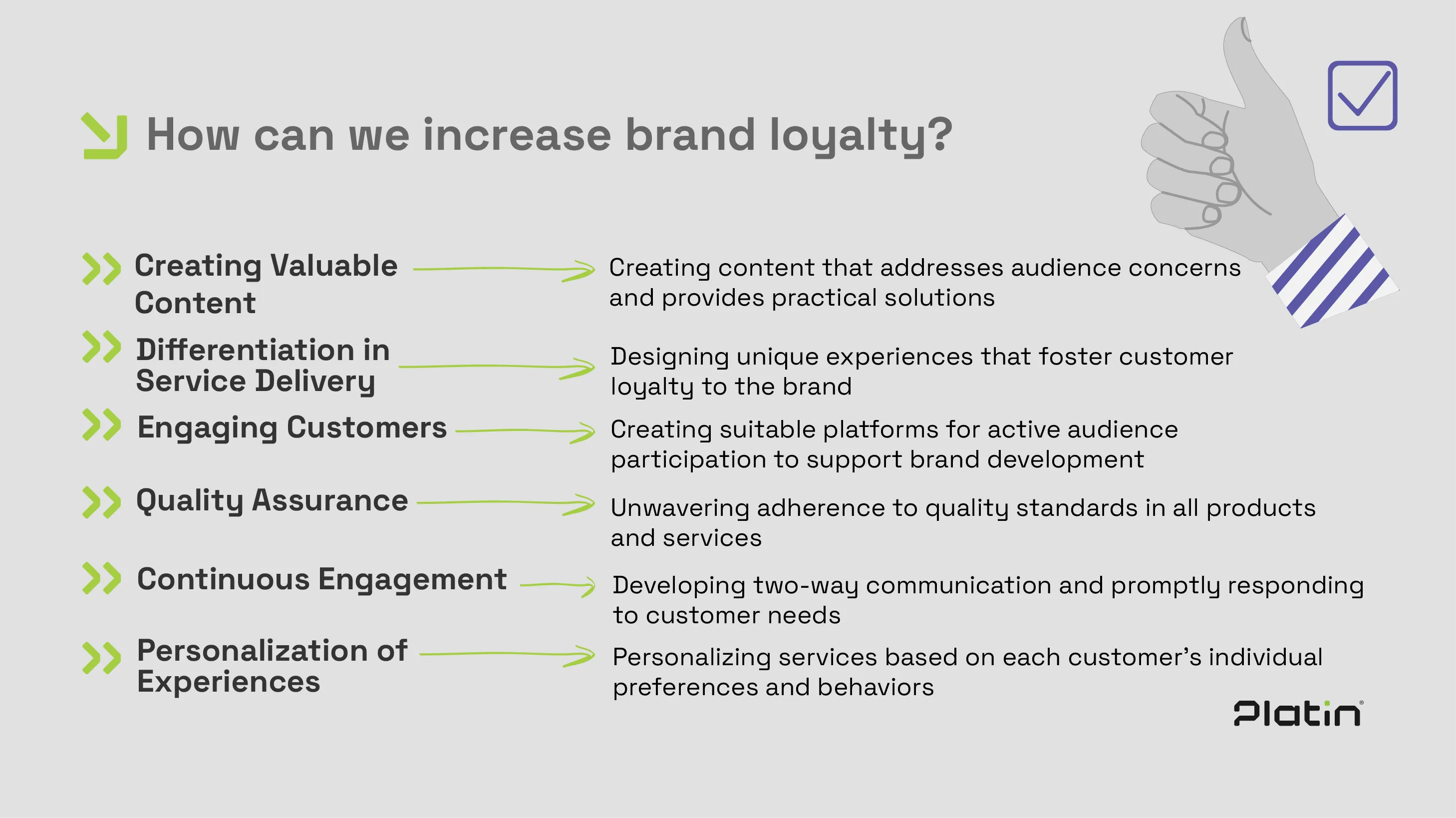
Brand loyalty is a long-term investment. Key levers include:
- Value-driven content production
- Differentiated service experiences
- Engaged customer participation in brand development
- Guaranteeing quality across every offering
- Continuous two-way engagement
- Hyper-personalized interactions
Platin Agency believes that systematic execution of these strategies builds a cycle of trust and emotional commitment.
Conclusion
Brand loyalty is a strategic combination of rational and emotional value — a bond built upon trust, consistent quality, and shared beliefs. Leading brands demonstrate that personalized experiences, responsible actions, and differentiated services collectively shape this deep relationship.
Effective loyalty programs — whether incentive-based or emotional-based — must remain aligned with long-term brand strategy to deliver meaningful results.
We hope the insights shared by Platin Agency support your journey toward stronger, more profitable brand loyalty. Thank you for reading.
FAQs
What is brand loyalty?
Brand loyalty emerges when customers continue to choose a brand despite market changes and numerous alternatives — creating a defensible market position.
Why is brand loyalty important?
It ensures stable revenue, reduces acquisition costs, and turns customers into enthusiastic brand advocates.
How can we build brand loyalty?
Deliver exceptional quality, personalize experiences, foster emotional connections, stay honest, act on feedback, and continuously evolve to meet customer expectations.
