


Brand positioning is the strategic effort to establish a clear, distinctive, and enduring perception of a brand in customers’ minds. It defines how the brand is evaluated against competitors and which associations — such as value, quality, innovation, pricing, and personality — shape that perception.
Positioning draws the line between being forgotten and being chosen. It enables brands to achieve relevance, differentiation, and long-term loyalty.
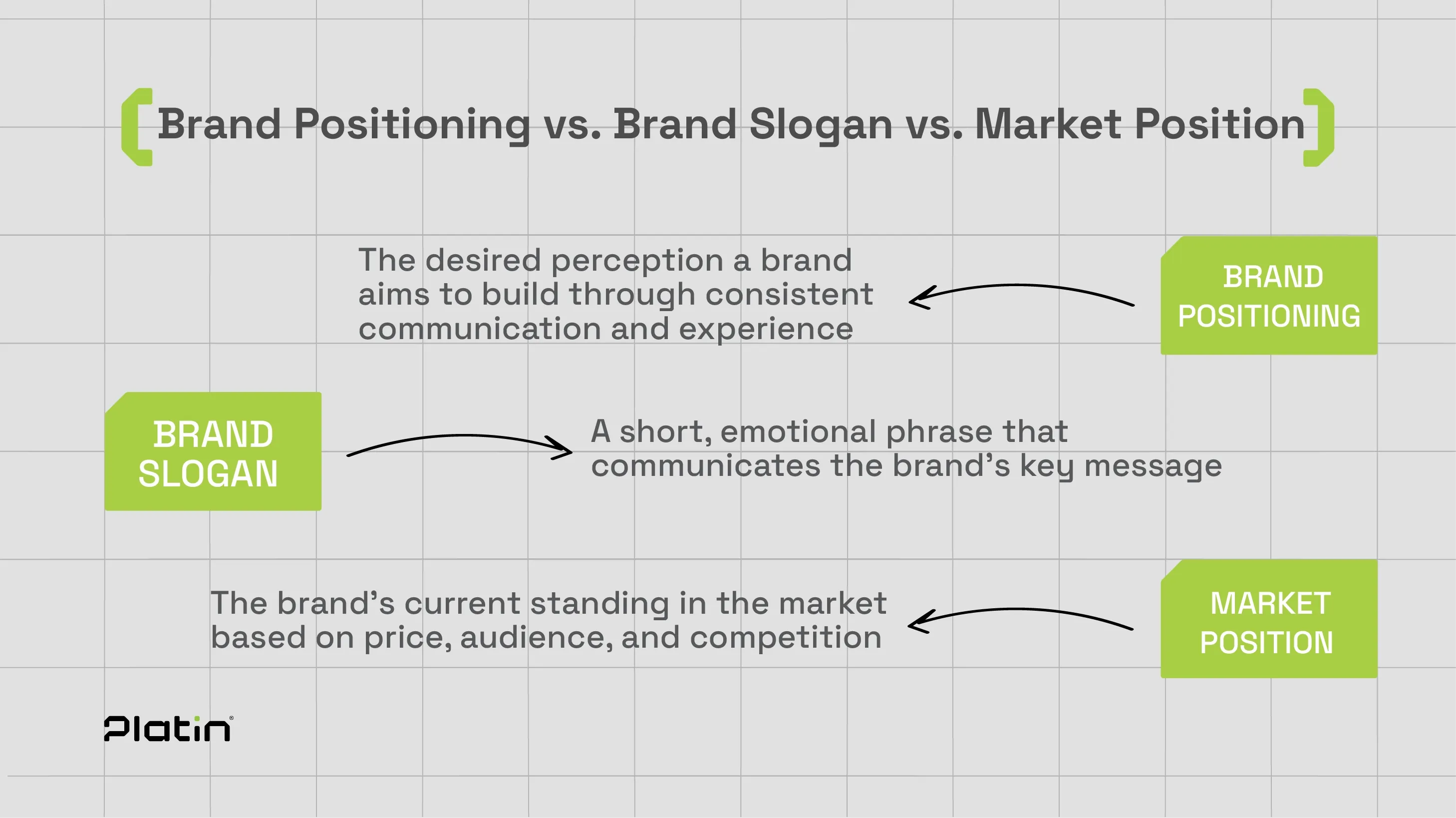
The Primary Goal of Brand Positioning
The goal is to create a meaningful and defensible advantage that motivates customers to choose your brand over alternatives. When the unique value of a brand is clear, customers develop strong preference and emotional connection — leading to loyalty and repeat purchase.
Examples:
A robust positioning strategy typically includes the following steps:
Brand perception is shaped over time through continuous interactions such as:
Strong positioning requires:

In competitive markets, positioning drives:
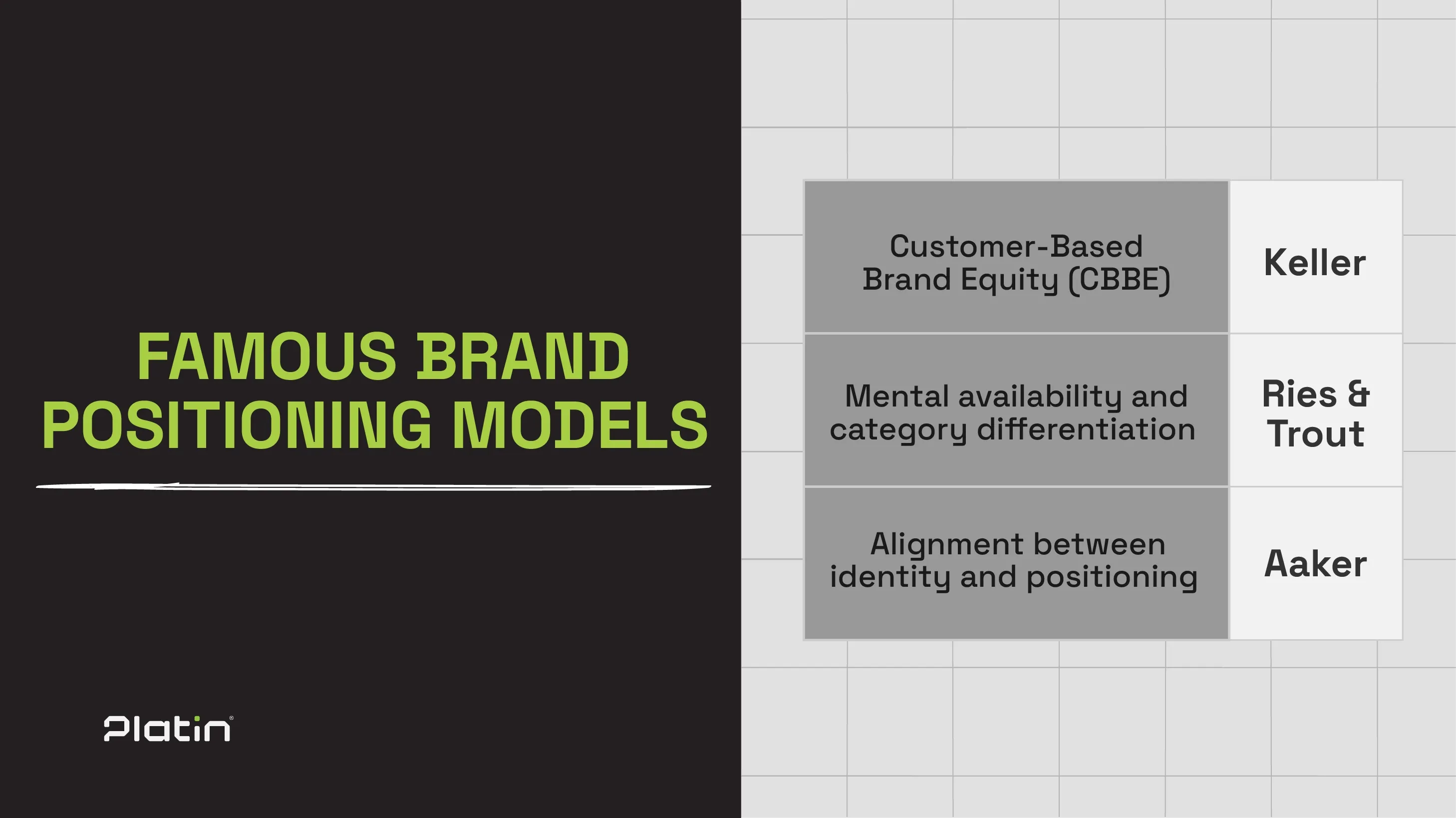
Leading strategy frameworks that support positioning include:
Mistake | Consequence |
Weak audience insight | Misaligned messaging |
Copying competitors | Loss of uniqueness |
Unsupported claims | Low credibility |
Inconsistent messaging | Poor recall and weak relevance |
No ongoing evaluation | Outdated positioning |
These issues reduce competitiveness and limit brand growth.
Brand | Core Positioning |
Apple | Simplicity and innovation |
Nike | Personal empowerment and performance |
Tesla | Sustainability and premium technology |
Many top brands rely on strategic consultancy to refine and sustain their position.

Positioning is dynamic. Brands must evolve with changing customer expectations and market trends while preserving their core identity. Any repositioning must be:
Continuous customer insight is central to staying relevant.
Positioning succeeds when communication and delivery are fully aligned. Public relations and customer experience play essential roles in shaping both functional and emotional perception:
Key contributions include:
Brand positioning defines:
True differentiation exists in the customer’s mind. Brands that invest in positioning improve relevance, trust, and preference — ultimately becoming the preferred choice rather than one more option.
Brand identity is how the brand presents itself. Positioning is how audiences interpret and internalize that presentation.
A compelling, credible positioning increases purchase intent, trust, and long-term loyalty.
When consumer needs shift, competition intensifies, or business strategy evolves.
PR reinforces positioning through consistent communication, storytelling, and reputation management.
