

Every brand—whether at the beginning of its journey or at the height of maturity—must answer one fundamental question: What does my audience expect from me, and do I deliver on that expectation?
The answer lies in your brand promise—a clear commitment to the quality, experience, and value your brand consistently provides across every interaction.
This promise goes beyond advertising slogans and campaigns; it’s reflected in how a brand behaves toward its customers, employees, and even partners. Brands that take this concept seriously not only establish a solid framework for decision-making but also build a trustworthy and consistent identity that drives customer loyalty.
In this Platin article, we’ll walk you through what a brand promise is, its role in brand strategy, and how to define, implement, and evaluate it. If you’re eager to design a clear, credible, and lasting promise for your brand, this guide is for you.
A brand promise is a clear, deliberate message a brand gives to its audience—one that defines exactly what customers should expect from every interaction, whether it’s purchasing a product, using a service, engaging with customer support, or seeing an ad.
Rather than serving as a mere marketing slogan, the brand promise should sit at the heart of the brand strategy, guiding every action, decision, and communication. By defining a strong brand promise, brands assure customers of a specific, repeatable experience.
For instance, if a brand promises to simplify the buying process, that principle must be reflected in its user interface design, customer service, and even return policies. A brand promise has meaning only when customers can see and feel it in practice.
A clear, credible, and actionable brand promise helps brands:
A brand promise is not a decorative phrase or a marketing claim—it’s the cornerstone of how audiences perceive your brand. It shapes customer expectations, guides their experience, and ultimately influences their purchasing decisions. Here are three key reasons why your brand promise matters:

Your brand identity is the image your brand creates in people’s minds. The brand promise defines how that image takes shape. If your promise centers around innovation, simplicity, or premium experience, it must be reflected in your brand name, logo design, tone of voice, and even employee behavior. This alignment turns your brand from a collection of elements into a coherent and relatable personality.
Brand experience is what customers feel when they interact with your brand. A well-designed brand promise acts as the roadmap for crafting that experience.
For example, FedEx’s promise—“On-time delivery, every time”—is reinforced through its customer service, tracking systems, and app design. When the actual experience delivers on the promise, credibility grows.
In a world full of options and fragile customer loyalty, trust becomes invaluable. A well-executed brand promise is the driving force behind that trust. When customers see a brand consistently deliver what it promises, they not only stay loyal but also become advocates who recommend it to others.
A brand promise is effective only when it’s clear, authentic, and aligned with the brand’s values. A strong promise should convince, create value, and remain memorable. The three essential components are:
Crafting a meaningful brand promise isn’t about writing an inspiring line—it’s the result of a strategic process built on deep understanding of your brand, audience, and market position. Brands that define their promises effectively can create memorable experiences and build long-term loyalty. Here are the key steps:
Many businesses confuse the brand promise with other elements like the tagline, brand identity, or advertising message. While these are interconnected, each serves a unique function:
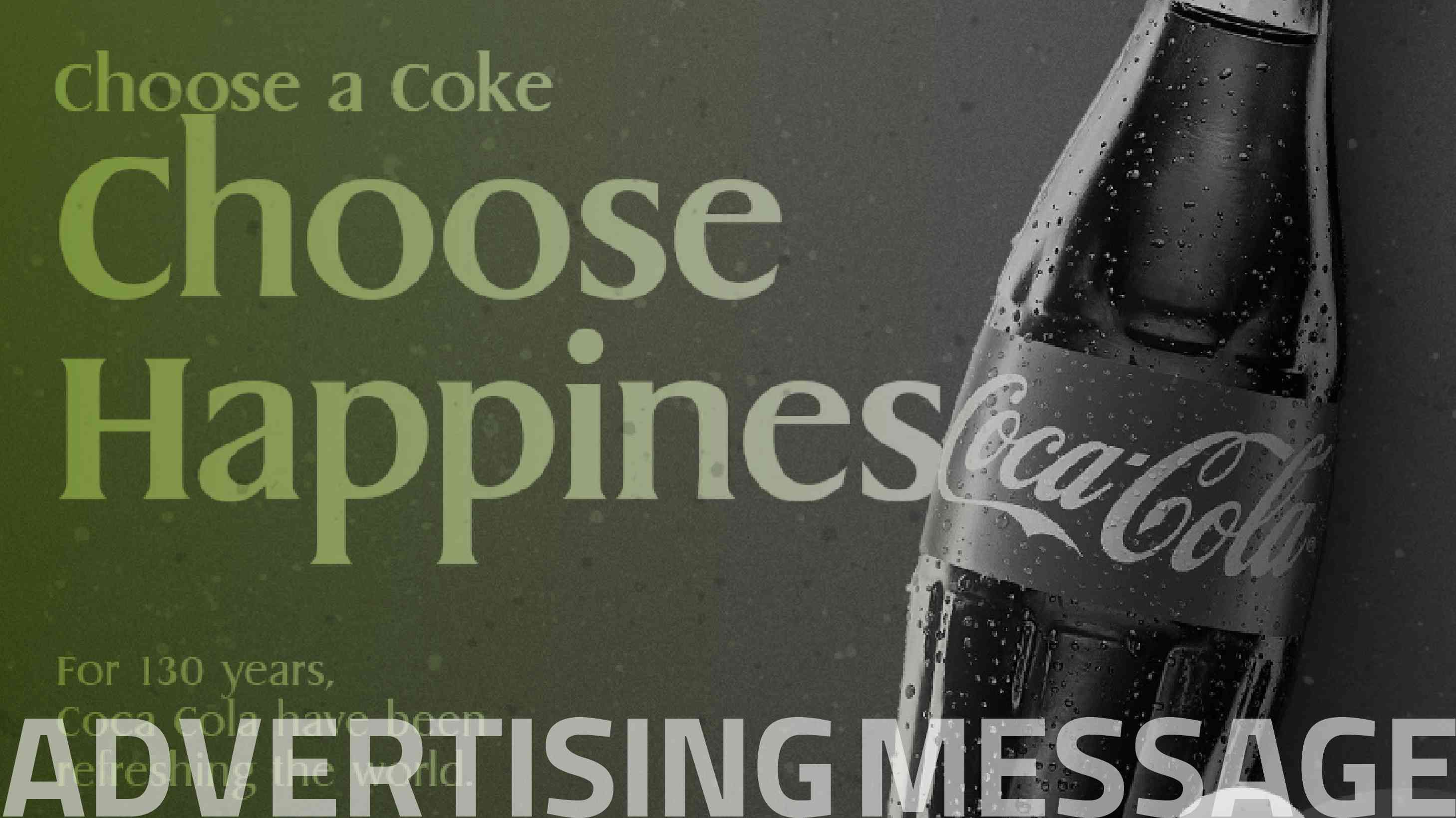
Brand Promise vs. Advertising Message:
Advertising messages are short-term, campaign-based, and sales-driven. The brand promise is long-term, strategic, and consistent across all communications.
A successful brand promise should:
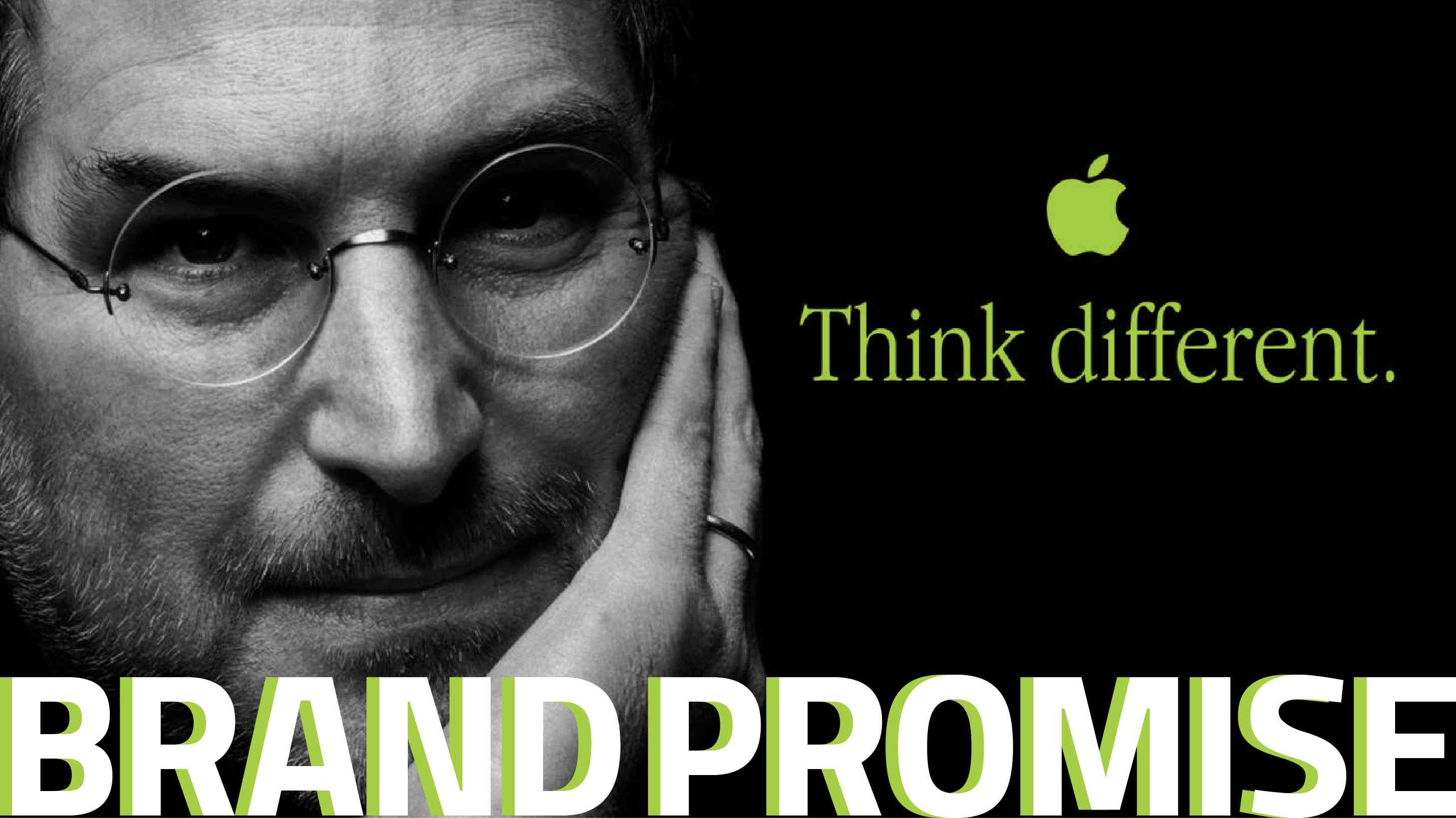
The world’s most successful brands place their promises at the center of their strategies—living them through every interaction. Here are a few inspiring examples:
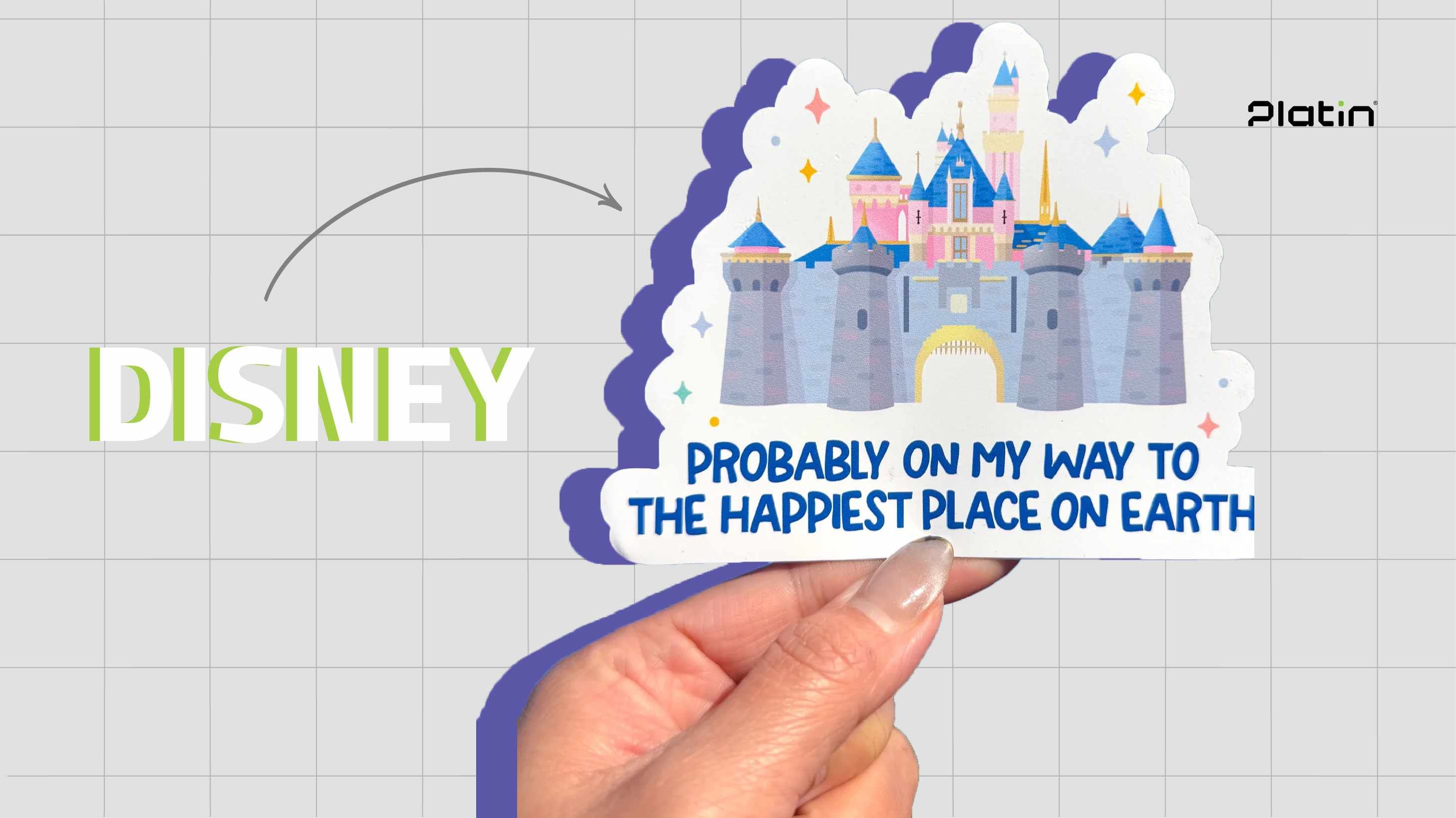
Even well-intentioned brands can stumble in execution. Common pitfalls include:
A brand promise isn’t just a beautiful line for brochures or websites—it’s the foundation of how customers experience your brand. Without a clear promise, customers have no expectations, and without expectations, there’s no reason for loyalty or repeat purchase.
Defining and delivering on a clear, achievable brand promise paves the way for long-term success—from differentiation in a competitive market to building human-centered relationships based on trust.
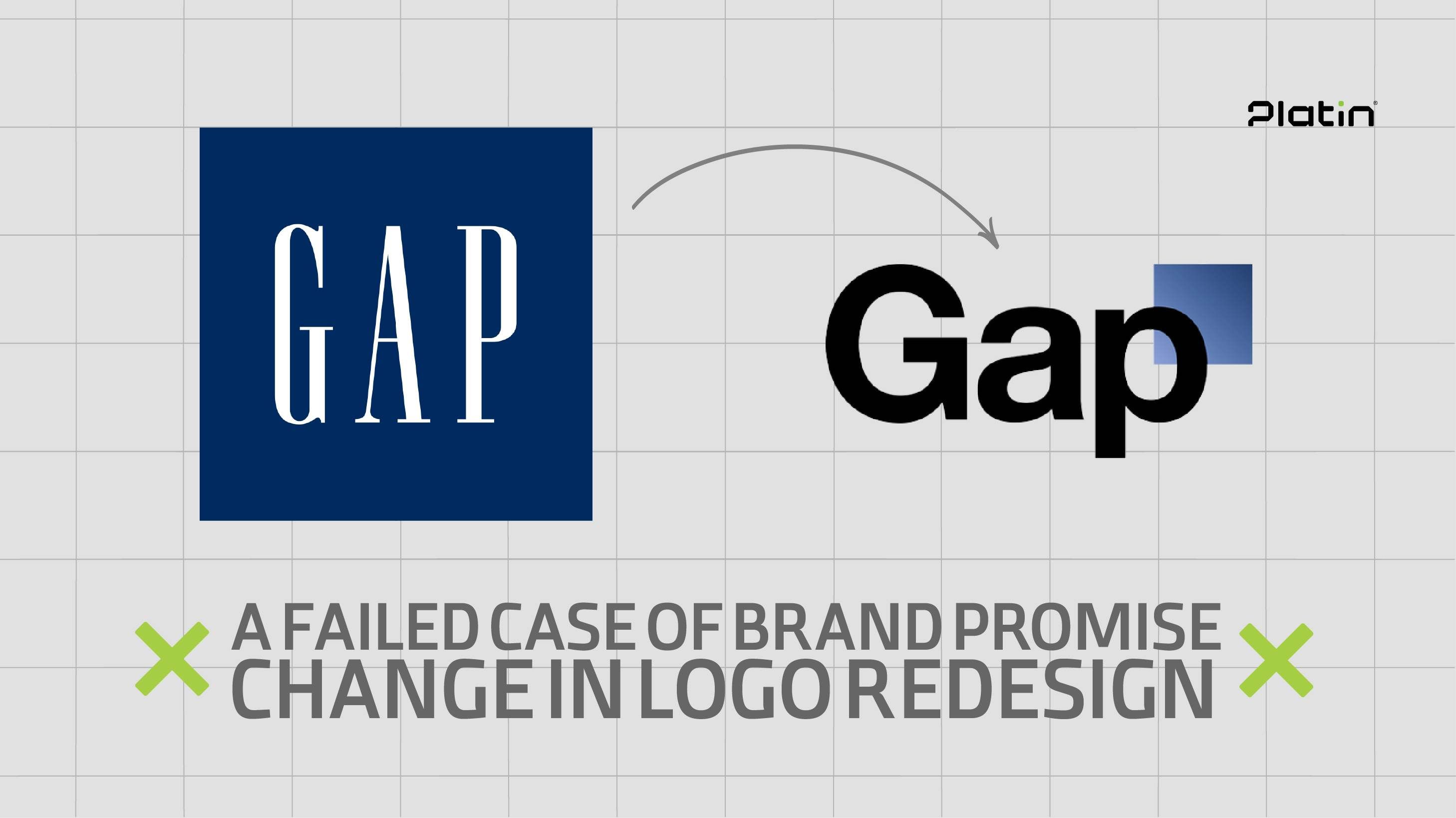
If your brand doesn’t yet have a clearly defined promise, now is the time to act. At Platin Advertising Agency, we help brands craft promises that aren’t just heard—but trusted.
Ready to build a brand experience that lasts? Get in touch with our branding consultants and start shaping your professional, meaningful, and actionable brand promise today.
A brand promise is a long-term, strategic commitment rooted in the brand’s identity, while an advertising slogan is typically a short, campaign-specific phrase designed to capture attention and drive sales.
Absolutely. Whether you’re a startup or a large corporation, having a clear brand promise helps build trust and differentiation in the market.
Track indicators like customer loyalty, satisfaction, repeat purchase rates, and engagement across digital platforms to evaluate how well your brand delivers on its promise.
