

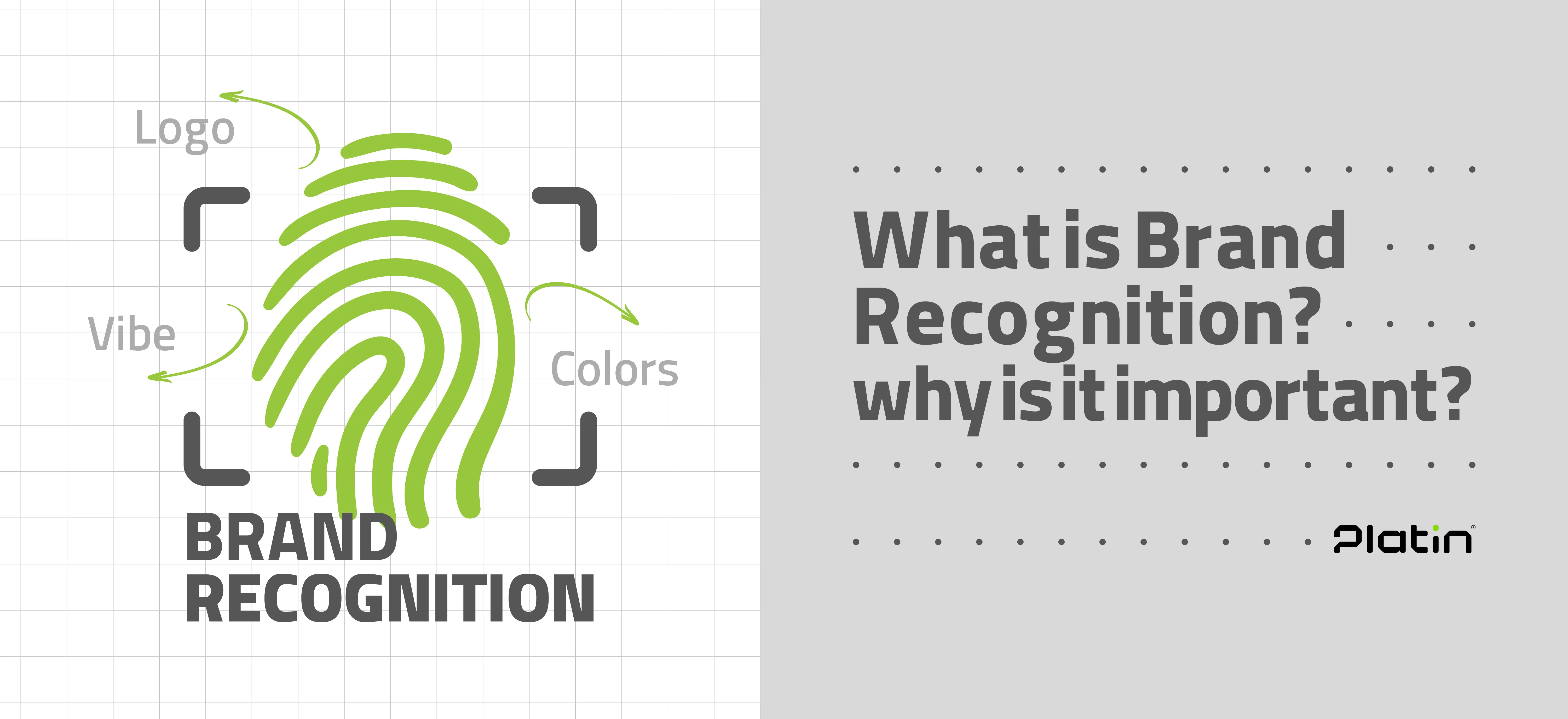
In today’s competitive marketplace, offering a great product is no longer enough. What truly makes a brand memorable is brand recognition — that instinctive moment when a person sees a logo, a signature color, or hears a sound and immediately recalls the brand behind it. If a brand fails to capture attention, it simply fails to exist in the customer’s mind.
Brand recognition is the foundation of trust, loyalty, and purchasing decisions. Building and strengthening this recognition requires expertise, time, and consistent investment. In this Platin Agency guide, we explore what brand recognition truly means, how it develops, which factors influence it, and how it can become the driving force behind sustainable business growth. If you want your brand to be remembered — and chosen first — keep reading.
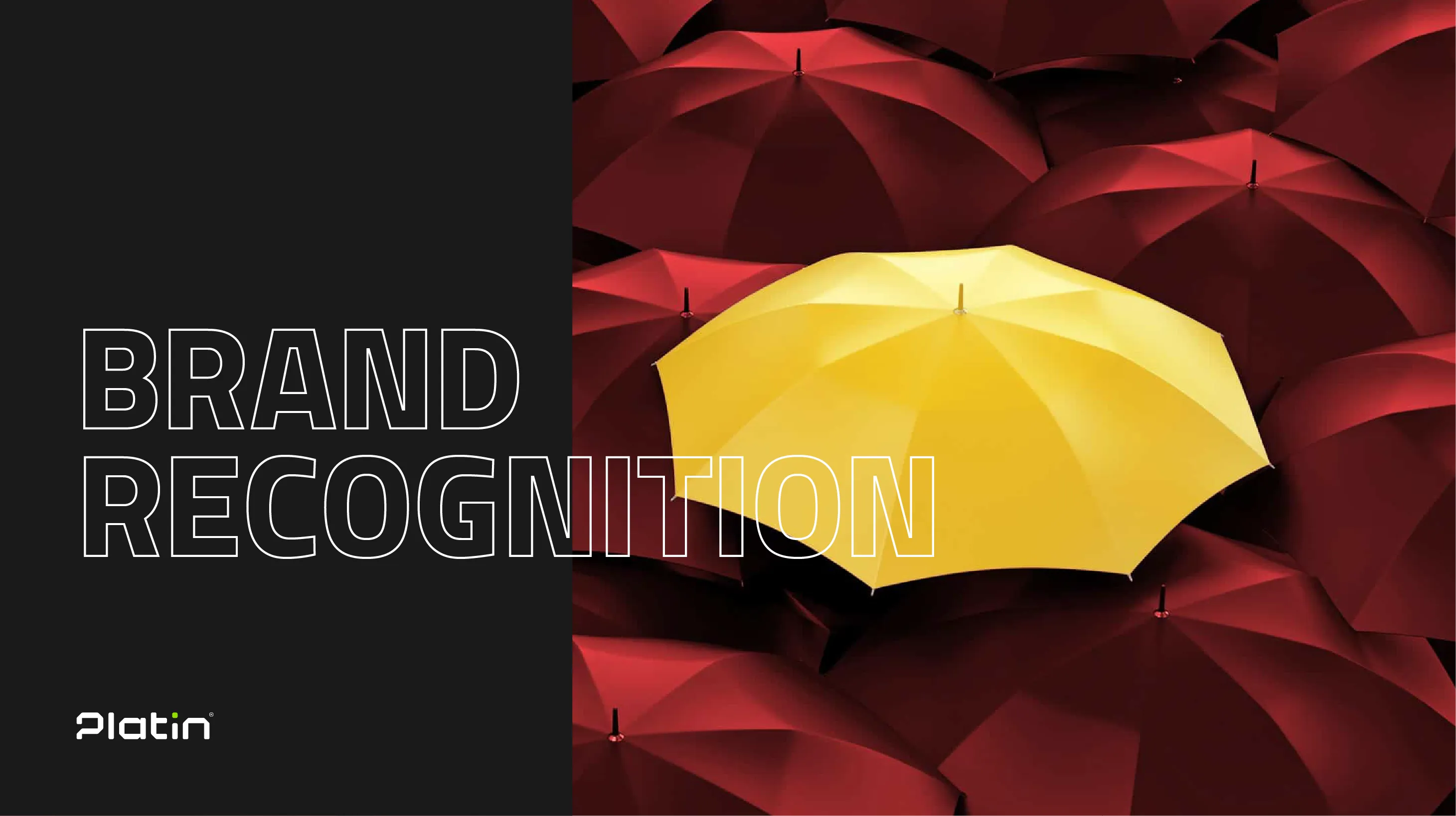
Brand recognition refers to the ability of audiences — whether they are current buyers or not — to identify and distinguish a brand among competitors. When people can instantly recognize your brand in a crowded market, you have achieved a meaningful level of recognition.
This recognition is not limited to logos — it includes brand names, colors, slogans, sounds, and even emotional associations. Strong brand recognition leads to powerful business outcomes, such as:
● Increased sales through stronger trust
● Competitive differentiation in the market
● Higher perceived credibility and authority
● Greater customer loyalty and repeat purchases
● Development of an active brand community
● Positive emotional memory linked to the brand
Although often used interchangeably, these terms represent different stages of brand perception:
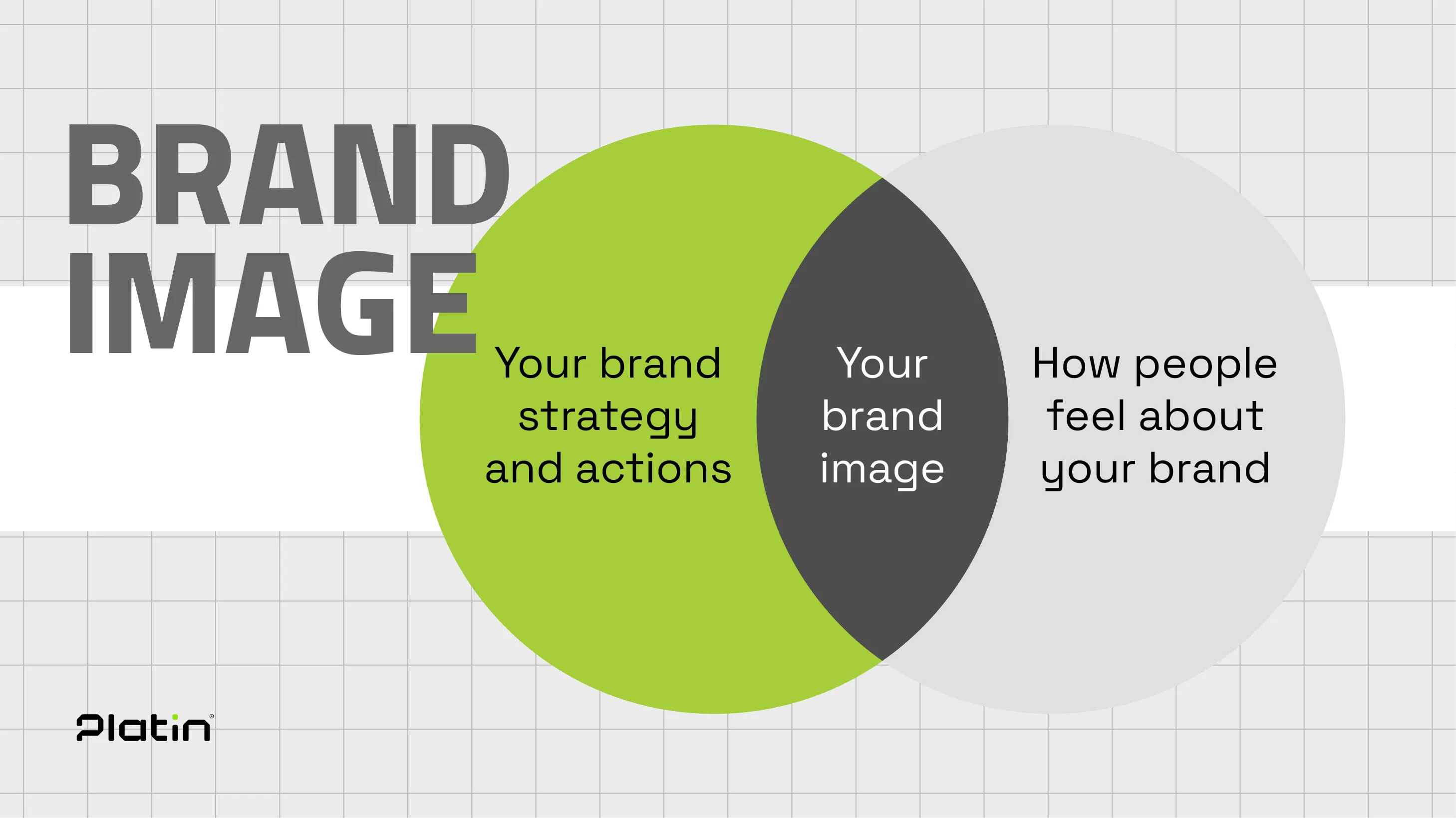
Put simply:
➡ Awareness is the beginning of the journey
➡ Recognition is the memory
➡ Brand image is the meaning and emotion behind that memory
Brand recognition grows gradually through repeated experiences. Every interaction — advertising, product usage, service encounters, and social media touchpoints — reinforces visual, emotional, and experiential memory of the brand.
Over time, this familiarity builds trust, strengthens loyalty, and encourages customers to choose the brand even at a higher price point.
The goal of recognition isn’t attracting everyone — it’s attracting the right customers.
A positive experience links good emotions to your brand, leading to:
Customer experience isn’t a standalone tactic — it is an investment that fuels long-term recognition.

Brand recognition is built through a consistent and clear identity including:
Smart repetition and consistency across all channels help your brand become instantly memorable.
Visual identity is the first point of contact — it triggers recognition in milliseconds.
Messaging conveys who you are, what value you deliver, and why customers should care.
When both are:
✔ Well-aligned
✔ Repeated consistently
✔ Strategically positioned
Your brand occupies a permanent space in the audience’s visual and emotional memory.
Brand recognition thrives on:
Conversely, inconsistent visuals, unclear messaging, or poor customer experience weaken recognition over time.
Brands like Coca-Cola and Nike have remained recognizable for decades because they communicate and behave consistently across every channel, touchpoint, and experience.
Consistency = Trust
Trust = Recognition
Today, social media is the most powerful stage for building recognition. Customers discover, interact with, and evaluate brands online — often before making a purchase.
Effective strategies include:
● Influencer collaborations
● Unique packaging and presentation
● Value-driven communication in advertising
● PR campaigns and brand storytelling
● A well-optimized and professional website
Presence alone is not enough — engagement, creativity, and authenticity make the difference.
Recognition begins the relationship.
Loyalty is the peak of emotional commitment.
A loyal customer:
Loyalty is built on the combination of recognition + trust + positive experience + consistent value.
Apple — Minimalist design, outstanding product quality, and the “Think Different” positioning link the brand to innovation and creativity.

Digi kala — Convenience, service reliability, and transparency have made it one of Iran’s most trusted e-commerce brands.

Snapp — Ubiquity and simplicity have made Snapp synonymous with ride-hailing — a name that defines a category.

Use a combination of quantitative and qualitative methods:
● Surveys and customer research
● Search volume analytics and digital mentions
● Social engagement analysis (shares, likes, comments, tags)
● Competitive benchmarking to determine market position
Professional brand strategy teams help you evaluate these metrics accurately and turn insights into growth.
Common barriers include:
● Targeting the wrong audience
● Poor choice of media and communication channels
● Inconsistent messaging and design
● Lack of competitive insight
● Neglecting customer experience
● Short-term thinking and absence of a long-term brand strategy
Recognition is not built by exposure alone — it is the result of smart, coherent, and audience-centric brand decisions.
Brand recognition is shaped by every experience, message, and emotion connected to your brand. In a world of overwhelming competition and limited attention spans, only brands that secure a place in both mind and heart can thrive.
With a clear strategy, consistent identity, and strong emotional communication, your brand can become unforgettable.
At Platin Agency, we help businesses build visual and verbal identities that enable strong and lasting recognition — and ultimately long-term commercial success.
1. What is the difference between brand awareness and brand recognition?
Awareness means knowing a brand exists. Recognition means identifying that brand with clarity across touchpoints such as logo, colors, and messaging.
2. How can a business increase brand recognition?
By maintaining message consistency, investing in a unified visual identity, delivering exceptional customer experiences, creating strong digital content, and implementing targeted campaigns.
3. Why is brand recognition essential for business success?
It accelerates purchase decisions, builds trust, drives loyalty, and increases word-of-mouth referrals — ultimately improving revenue and market stability.
