
Brand Typography: Definition and Its Role in Visual Identity

In this guide, we explore how brand typography shapes visual identity, supports brand strategy, and contributes to a cohesive brand experience.
What Is Brand Typography and Why It Matters
Brand typography is the art and science of choosing fonts that align with a brand’s essence and communicate its message effectively. Fonts are not just tools for displaying text—they are an essential component of a brand’s visual language, capable of shaping audience perception and emotional connection.
Key benefits of effective brand typography include:
- Enhanced Brand Recognition: Consistent typography allows audiences to identify a brand by its visual style alone, creating long-lasting mental associations.
- Conveying Brand Personality: Fonts communicate emotion and character. For example, traditional serif fonts evoke trust and professionalism, while modern sans-serif fonts convey innovation and creativity.
- Improved Readability and User Experience: Thoughtfully chosen typography ensures text is easy to read, facilitating better engagement and comprehension.
- Visual Cohesion: Uniform typography across all brand assets reinforces consistency and establishes a polished, professional image.
- Competitive Differentiation: Unique typography sets a brand apart, making it more memorable and distinguishable in the marketplace.
Shaping Brand Personality Through Typography
Typography is a powerful tool for expressing a brand’s personality. Choices in font style, size, spacing, and weight evoke specific feelings and associations. Classic fonts communicate reliability and authenticity, while modern, minimalist fonts signal forward-thinking and innovation.
Using consistent typography across websites, social media, and advertising builds recognition and strengthens emotional connections with audiences. Over time, a coherent typographic style becomes synonymous with the brand, reinforcing both professionalism and trustworthiness.
In essence, brand typography functions as a visual language, conveying brand values, tone, and emotions. When applied correctly, it creates a cohesive, trustworthy, and memorable brand identity.
Common Typography Mistakes to Avoid
Typography is more than selecting a font—it represents the brand’s voice. Missteps in font selection or usage can undermine a brand’s credibility, coherence, and professionalism. Common mistakes include:
- Inappropriate Font Choice: Fonts must align with the brand’s personality and messaging.
- Neglecting Readability: Fonts should remain legible across all devices and sizes.
- Using Too Many Fonts: Limiting fonts to two or three complementary families prevents visual chaos.
- Ignoring Typographic Hierarchy: Headlines, subheadings, and body text should differ visually to guide the reader.
- Lack of Language Support: Ensure fonts include all characters needed for your target language.
- Inconsistent Print and Digital Appearance: Some fonts work digitally but fail in print; consistency is key.
- Following Trends Blindly: Overly trendy fonts risk making a brand appear outdated.
- Poor Spacing: Improper letter or line spacing reduces readability and creates visual clutter.
- No Typography Guidelines: A style guide ensures consistent usage across all platforms.
- Generic Fonts: Common fonts reduce distinctiveness; unique fonts increase memorability.
Selecting the Right Brand Font
When choosing a brand font, consider these criteria:
- Message Alignment: Fonts should match the tone of your content, whether formal, playful, or creative.
- Brand Consistency: Fonts must reflect the brand’s personality. Luxury brands may prefer classic, minimal typefaces; youthful brands may opt for bold and energetic styles.
- Simplicity and Appeal: A font should be readable while aesthetically pleasing.
- Legibility Across Platforms: Fonts must remain clear across screens, print, and sizes.
- Familiarity: Recognizable fonts facilitate faster audience engagement.
- Source Reliability: Always use fonts from trusted sources to prevent technical or security issues.
Typography as a Core Element of Visual Identity
Typography is a foundational element of a brand’s visual identity. Fonts create perception: clean sans-serif fonts convey modernity and professionalism, while traditional or curved fonts communicate warmth, trust, and authenticity.
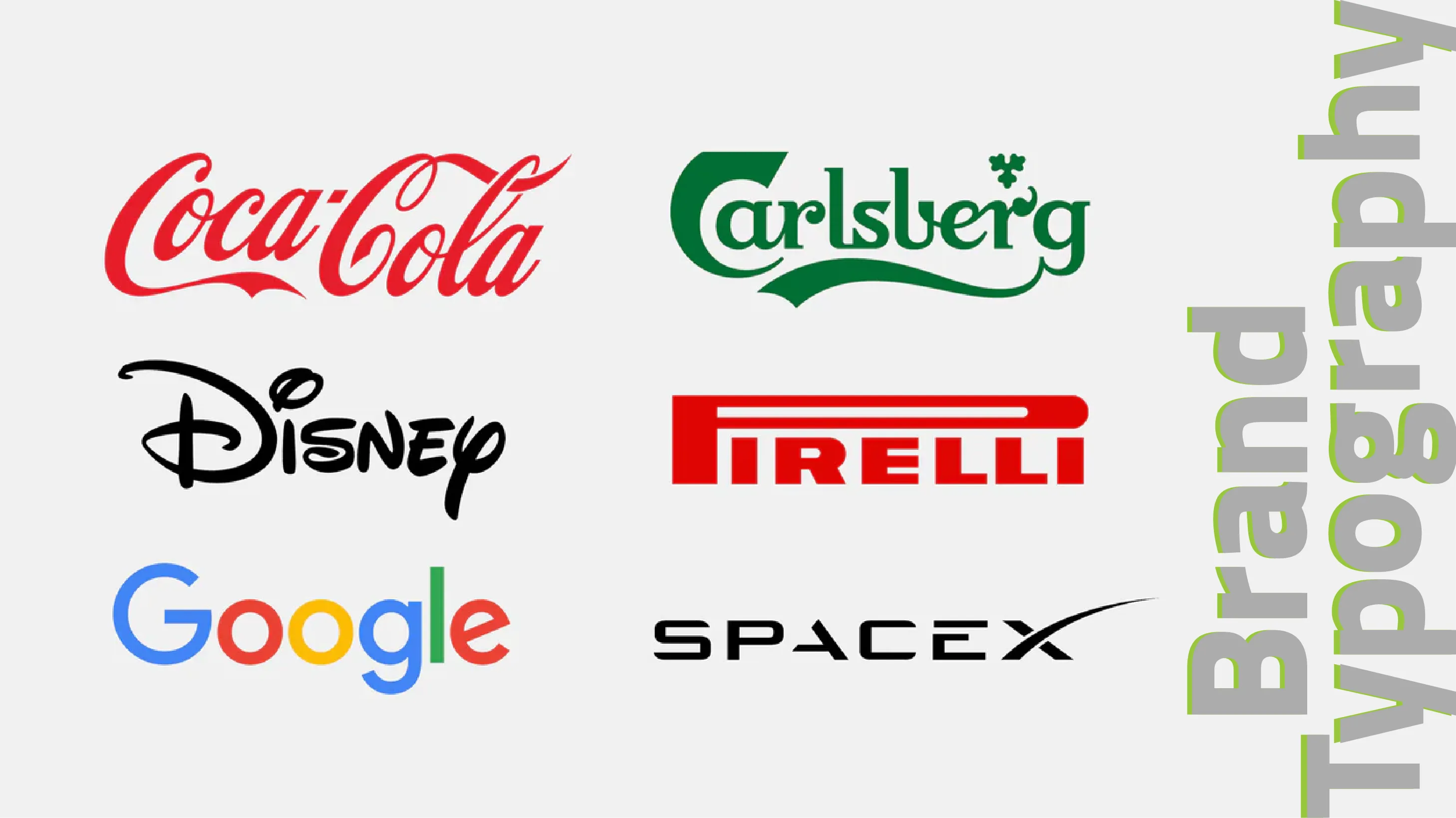
Consistent font usage across websites, advertisements, and other materials strengthens brand recognition and ensures audiences remember the brand effortlessly. Strategic font selection is essential to establishing a distinct visual personality.
Typography and User Experience (UX)
Typography plays a critical role in web and mobile UX. Proper font choice, sizing, and line spacing improve readability and content comprehension. Clear hierarchy between headings, subheadings, and body text guides users through the content intuitively.
Accessible and responsive typography ensures consistent experiences across devices, enhancing professional perception and user satisfaction.
Quick Guide to Typographic Scale
For cohesive design, establish a clear typographic scale. Random font sizes (e.g., 10px–24px) can disrupt visual flow. Using ratios such as 4:3 ensures proportional and harmonious sizing—for instance, 12px, 16px, and 21px—which improves readability and enhances the user experience.
Five Typography Tips for Startups
- Logo Alignment: Fonts should complement the logo to create visual coherence.
- Unique Letterforms: Custom designs differentiate your brand and increase memorability.
- Versatility: Fonts must work across web, app, print, and social media.
- Attention to Detail: Proper letter and line spacing improves both readability and aesthetics.
- Invest in Quality: Professional fonts enhance credibility and maintain consistent visual identity.
Custom Fonts as a Competitive Advantage
A custom font can elevate brand identity, making it unique and instantly recognizable. Similar to a logo, it allows audiences to identify your brand quickly and conveys style and tone effectively. Custom typography strengthens visual identity and delivers a distinctive customer experience.
Typography’s Impact on Branding
Thoughtful typography communicates a brand’s personality, creates a recognizable image, and instills trust and professionalism. Consistency and precision enhance visual appeal, reinforce brand identity, and ensure memorability in competitive markets.
Choosing the Best Typography
To select the ideal font, understand your brand’s personality and ensure typography aligns with your message and tone. Draw inspiration from successful examples but maintain originality. Prioritize readability, consistency, and performance to deliver a smooth and enjoyable user experience.
Typography vs. Calligraphy
Aspect | Typography | Calligraphy |
| Purpose | Arrange letters for readability and visual harmony | Artistic rendering of letters for aesthetic expression |
| Importance of readability | High | Sometimes secondary to aesthetics |
| Method | Digital fonts | Often handmade; can be digitized |
| Visual enhancements | Shadows, color, layout | Line quality, composition |
| Inspiration | Modern typography often draws from calligraphy | N/A |
| Common principles | Spacing, alignment, composition | Same as typography |
Both involve careful attention to letterform structure, balance, rhythm, and visual impact.
Conclusion
Brand typography is the deliberate selection and design of fonts that convey a brand’s identity, message, and visual personality. Consistent and thoughtfully applied typography improves readability, enhances user experience, and fosters trust and professionalism.
Smart use of typography ensures a brand is distinctive, memorable, and instantly recognizable. For businesses seeking a visual identity refresh—from typography to logo design—Platin Business Development Agency provides expert guidance and solutions.
FAQs
What is brand typography?
The strategic selection and design of fonts that convey a brand’s identity and message.
Why is typography important?
Fonts improve readability, build trust, and make the brand more memorable.
How does typography differentiate a brand?
Unique and consistent typography reinforces brand recognition and conveys professionalism.
