
What is marketing? The difference between marketing and advertising

Why do some businesses achieve high sales even with average products, while some high-quality brands struggle to gain market attention?
The difference lies in how audiences are attracted, how messages are communicated, and how effective relationships with customers are built.
Marketing is a series of purposeful, strategic decisions that begins with a precise understanding of the market and continues through strategy development, channel selection, and customer experience management.
Brands that execute this process in a scientific, data-driven manner do not focus solely on short-term sales. Instead, they invest in building trust, credibility, and long-term relationships with their audiences. When brand messaging, market needs, and product value are aligned within a clear and consistent direction, sustainable growth emerges.
In this article by Platin Agency, we aim to clearly and practically explain what marketing is, outline its main pathways, and demonstrate how proper execution of this process can transform the future of a business.
What Is Marketing? A Simple Definition
Marketing goes far beyond advertising and sales. It is built upon core marketing concepts such as understanding customer needs, creating value, and establishing effective communication with the target audience.
From an academic perspective, marketing is a strategic and social process through which a business identifies real customer needs, creates value, and communicates that value to its target audience through effective interaction. The objective of marketing is not merely to increase sales, but to build a long-term, profitable relationship between a brand and its customers.
According to fundamental marketing principles, the success of any business depends on customer orientation. This means that a brand must understand customer needs, emotions, and behaviors and design its products and services accordingly. This mindset forms the foundation of modern marketing.
In traditional marketing, the primary focus was on selling products. In contrast, modern marketing activities center on creating experiences that lead to trust, engagement, and customer loyalty. In simple terms, marketing means delivering the brand message to the right audience, at the right time, using the right approach.
Marketing vs. Sales: The Boundary Between Awareness and Action

Marketing and sales are closely related but fundamentally different concepts. Many people still confuse the two. While both aim to increase revenue and support business growth, they differ significantly in approach and execution.
Marketing begins with market understanding, customer insight, and strategy design. Its focus is on building awareness, interest, and trust. Sales, on the other hand, starts when the audience is ready to make a decision, with the goal of converting interest into an actual purchase.
Simply put, marketing prepares the customer’s mindset, while sales finalizes the decision.
Key Differences Between Marketing and Sales
- Primary Objective
Marketing focuses on market analysis, brand awareness, and attracting potential customers, while sales concentrates on closing deals and generating immediate revenue. - Approach and Time Horizon
Marketing takes a long-term perspective and aims to build sustainable customer relationships. Sales is typically short-term and outcome-driven. - Focus Area
Marketing is customer-centric and based on understanding consumer needs and behaviors. Sales is more product-centric and focuses on persuading customers to buy. - Processes and Tools
Marketing relies on tools such as market research, advertising, digital marketing, and content marketing. Sales involves negotiation, direct communication, and follow-up activities. - Customer Relationship
Marketing emphasizes long-term interaction and trust-building, while sales is often based on short-term, transaction-oriented communication. - Role in Brand Building
Marketing plays a critical role in branding and positioning, whereas sales is primarily focused on financial results and converting prospects into buyers.
What Is the Marketing Mix (4Ps) and Why Is It the Foundation of Every Marketing Strategy?
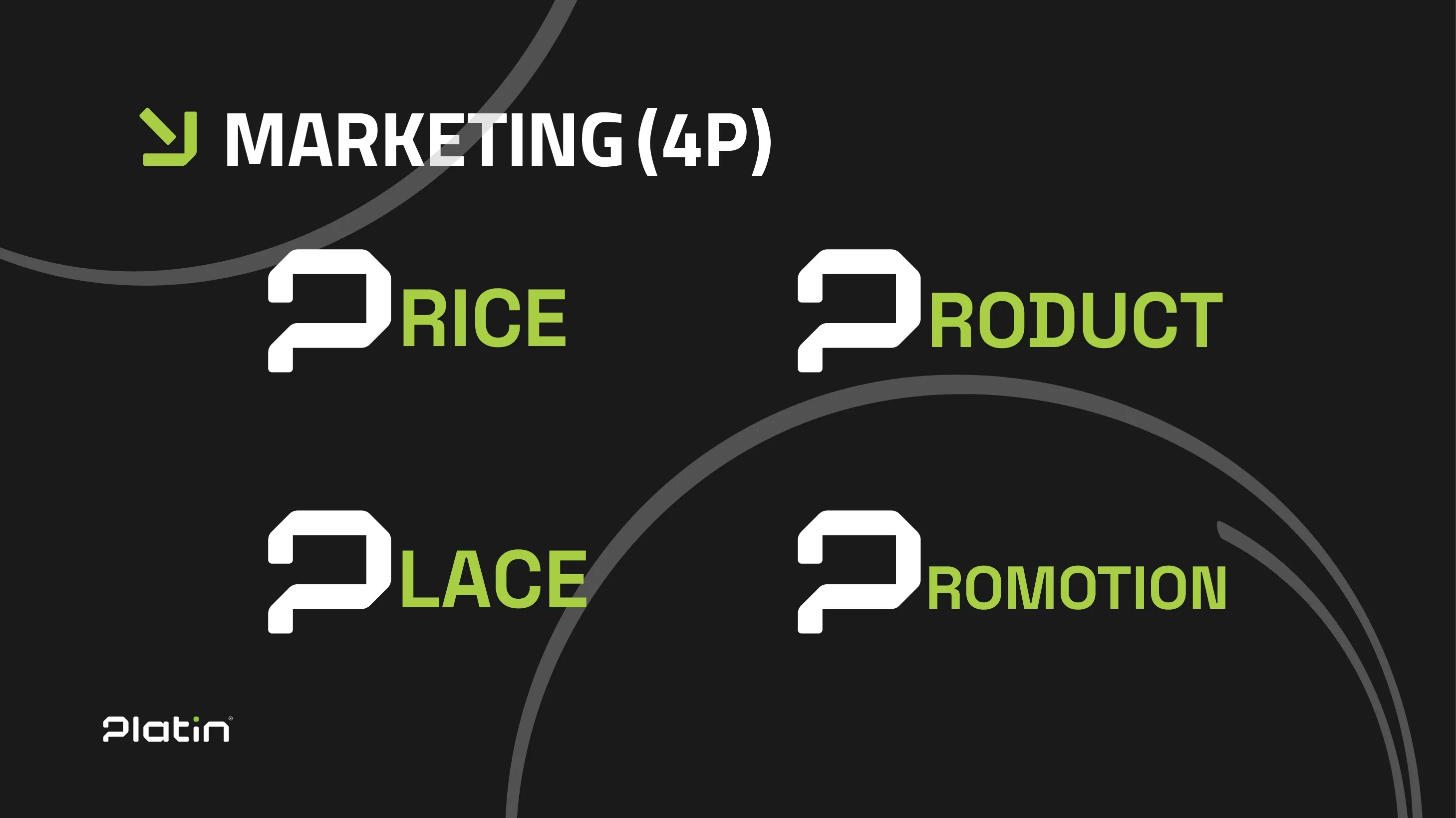
One of the most important core concepts of marketing is the Marketing Mix, commonly known as the 4P model. This framework is considered the foundation of every successful marketing strategy and provides a structured approach to planning, executing, and evaluating marketing activities.
The marketing mix represents the set of decisions a brand makes to deliver its message to customers and create a desirable product experience.
The four main elements of this model are Product, Price, Place, and Promotion. Together, these elements enable brands to balance market needs with business objectives.
Product
The product refers to anything a brand offers to satisfy customer needs—whether a physical product, a service, an experience, or emotional value. Features, quality, packaging, and even brand naming are defined within this element. A product must address a real and specific need, not merely exist for the sake of selling.
Price
Price is the second element of the marketing mix and plays a key role in shaping the customer’s perception of brand value. Choosing the right pricing strategy helps balance short-term profitability with long-term positioning. In modern marketing, price is not just a number; it is a communication tool that reflects brand value and customer purchasing power.
Place
Place refers to the channels through which a product reaches the customer. This includes decisions related to distribution channels, online versus offline sales, partnerships with intermediaries, and overall accessibility. Successful brands select the right channels to ensure convenience and a positive purchasing experience.
Promotion
Promotion represents the communication component of the marketing mix. Any activity a brand undertakes to introduce its product, inform customers, attract attention, and increase sales falls under this category. Digital advertising, content marketing, public relations, social media campaigns, and branding efforts are all part of promotion.
Types of Marketing: Understanding Effective Strategies in the Modern World
Choosing the right type of marketing is one of the most critical factors in a brand’s success within a competitive environment. A clear understanding of different marketing approaches helps businesses design more effective strategies for customer acquisition and brand growth.
Below are the most important types of marketing, explained with practical clarity.
1. Digital Marketing
Digital marketing is the backbone of brand communication in the online era. By using tools such as search engines (SEO and SEM), social media platforms, online advertising, and email marketing, brands can deliver their message to the right audience at the right time. Digital marketing is cost-effective and allows for precise performance measurement and behavioral analysis.
2. Content Marketing
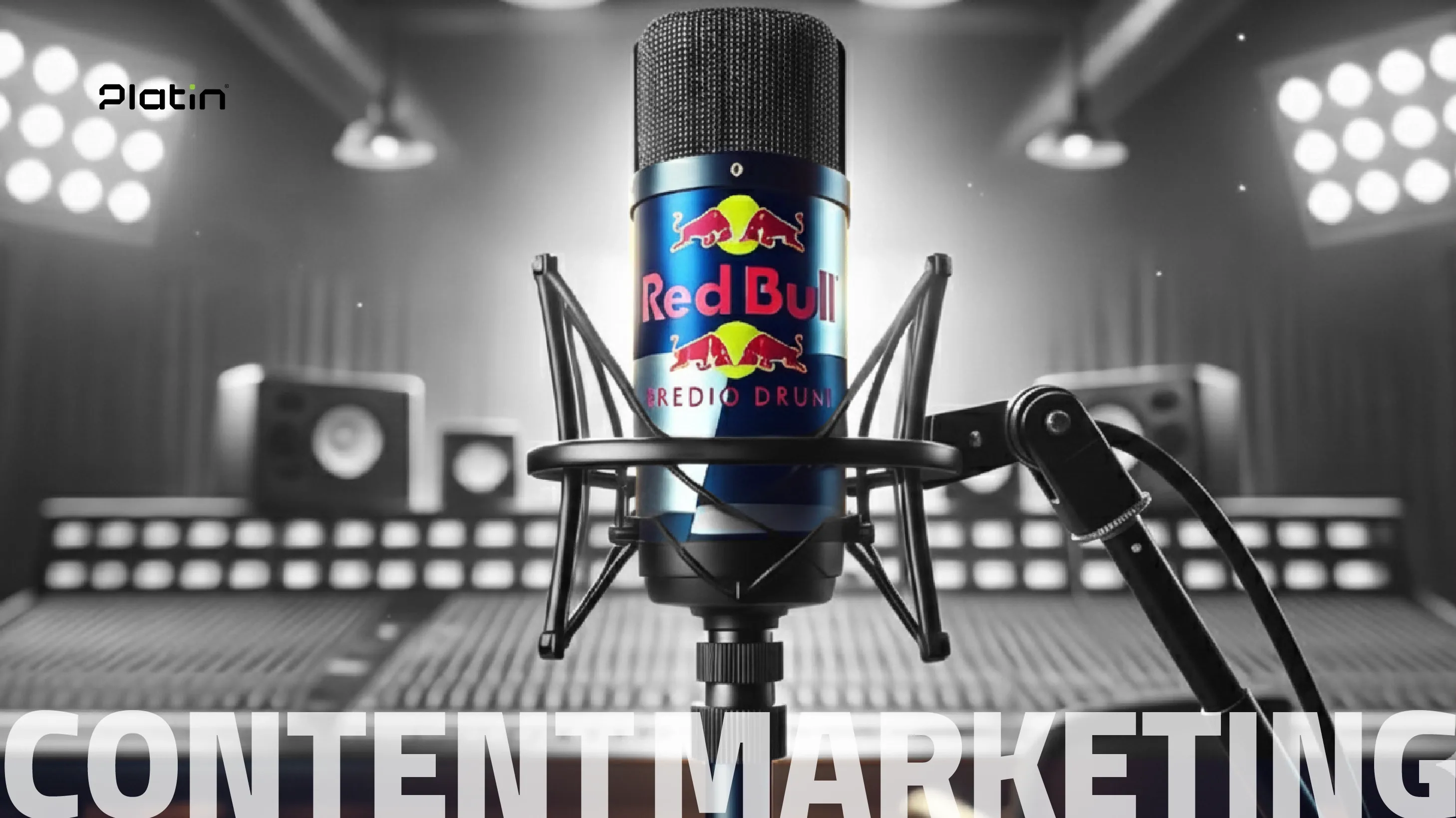
Content marketing focuses on trust-building, education, and engagement rather than direct selling. Through valuable content such as articles, videos, podcasts, and social media posts, brands answer audience questions and guide them toward purchase decisions in a non-intrusive way. This approach is one of the most effective tools for long-term branding and SEO.
3. Inbound Marketing
Inbound marketing, also known as attraction-based marketing, focuses on drawing customers toward the brand instead of chasing them. By combining content, SEO, social media, and user experience, inbound marketing naturally converts visitors into loyal customers and builds lasting relationships.
4. Outbound Marketing
Outbound marketing takes a proactive approach by reaching out to customers directly. Television advertising, billboards, mass email campaigns, and cold calls are common examples. Although its popularity has declined in the digital era, outbound marketing remains effective for introducing new brands or launching new products.
5. Relationship Marketing
Relationship marketing is built on creating long-term connections, retaining existing customers, and increasing brand loyalty. In this model, the focus extends beyond sales to customer experience, satisfaction, and sustained interaction. Brands that adopt relationship marketing reduce customer acquisition costs and achieve higher retention rates.
6. Viral Marketing
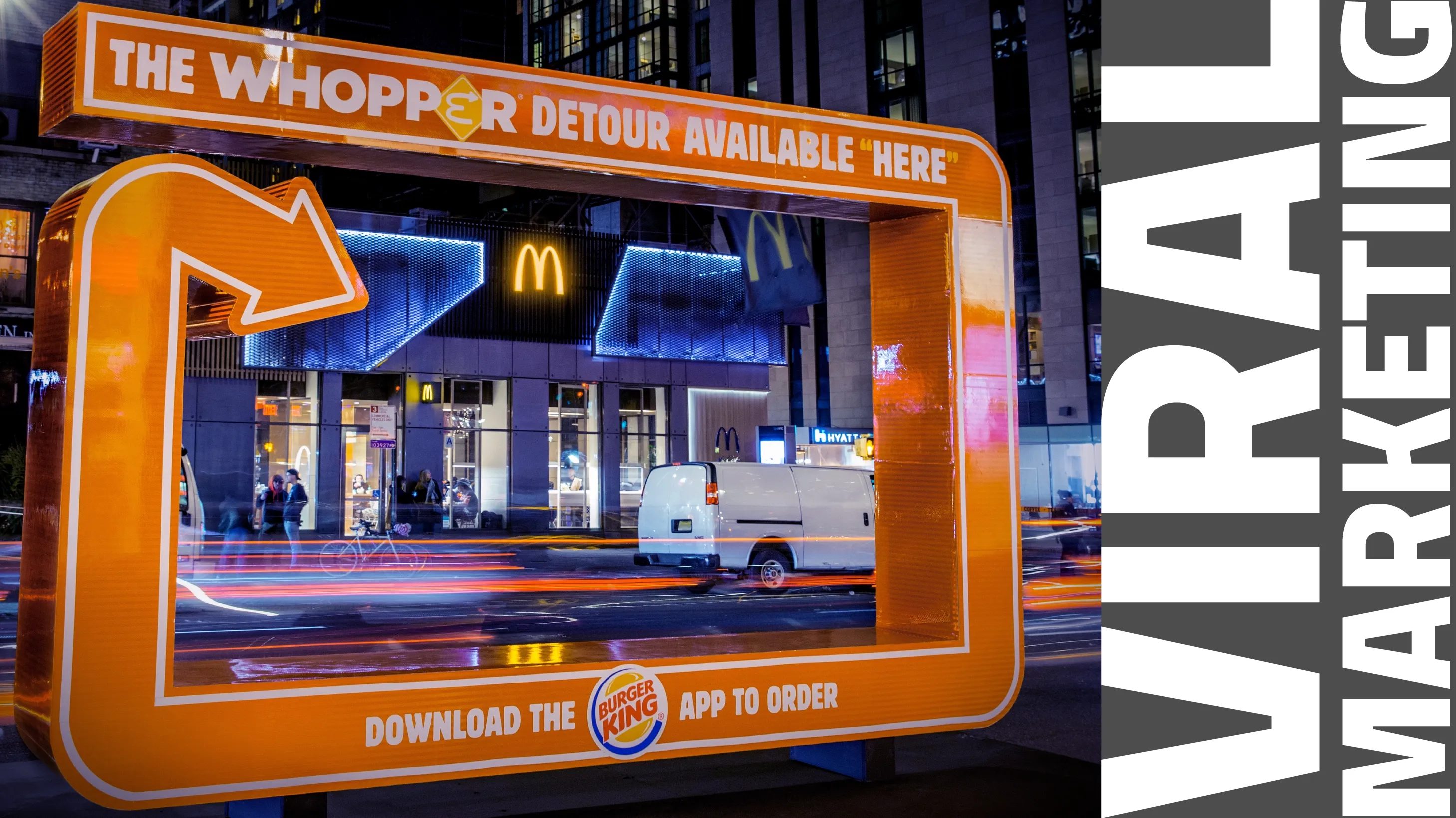
Viral marketing leverages audience sharing behavior to spread brand messages organically. Creative, emotional, or surprising content encourages users to share messages voluntarily. While it requires creativity rather than high budgets, successful viral marketing can generate rapid growth in brand awareness.
How to Market a Product: Key Stages of Effective Marketing
Product marketing is not limited to advertising or selling. It is a structured process that starts with understanding the customer and continues with delivering value at every stage.
An analysis of global brands such as Apple, Coca-Cola, and Nike shows that marketing success occurs when brands deeply understand real customer needs, create distinctive experiences, and build emotional connections with their audiences.
Main Stages of Product Marketing
- Comprehensive Product Understanding
Before anything else, you must fully understand your product—its features, advantages, and limitations. Mastery of the product enables you to communicate its true value effectively. - Target Market Identification
Define your ideal customer. Analyze demographics, needs, purchasing power, and lifestyle. A precise target market leads to more effective campaigns and lower costs. - Competitor Analysis
Evaluate both direct and indirect competitors. Understanding their strengths and weaknesses helps you define a differentiated market position. - Setting Marketing Goals and Strategy
Define clear objectives such as increasing sales, acquiring new customers, or strengthening brand awareness. A structured marketing plan helps ensure consistency and clarity throughout execution. - Executing Marketing Campaigns
Implement strategies across channels such as social media, email marketing, paid advertising, or influencer collaborations. The goal is to ensure the product remains memorable in the audience’s mind. - Analysis and Continuous Improvement
Measure performance through metrics such as click-through rates, sales, engagement, and customer feedback. Successful marketing is based on testing, learning, and continuous optimization.
Marketing Methods in Iran
Marketing methods in Iran have distinct characteristics shaped by cultural, economic, and consumer behavior factors. Successful Iranian brands often use a combination of digital marketing, outdoor advertising, content marketing, and social media strategies to communicate effectively with their audiences.
In recent years, marketing in Iran has increasingly shifted toward digital channels. Businesses that understand their target markets, produce localized content, and leverage platforms such as Instagram, Telegram, and Google have been more successful in attracting and retaining customers. Brands that clearly differentiate between marketing strategy and marketing planning have been able to chart more accurate growth paths and compete more effectively with international brands.
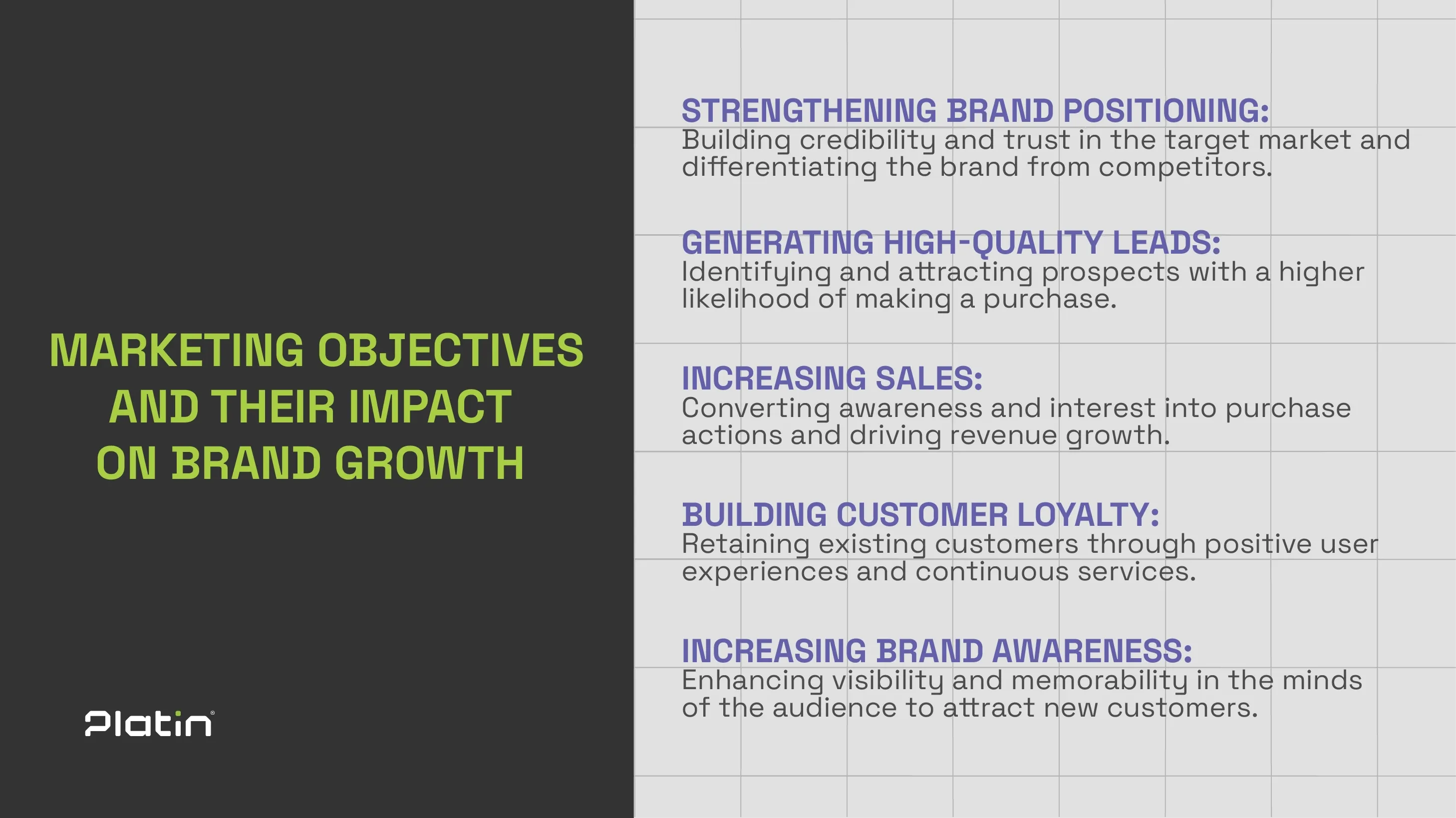
Marketing Objectives and Their Impact on Brand Growth
Marketing is effective only when driven by clear objectives. Without defined goals, even the best strategies lack direction. The primary purpose of marketing is to guide all brand activities toward sustainable growth, customer acquisition, and market differentiation.
Key marketing objectives include:
- Increasing brand awareness
- Building customer loyalty
- Increasing sales and revenue
- Generating high-quality leads
- Strengthening brand positioning and credibility
Conclusion
Marketing is the backbone of every successful business—a dynamic process that begins with understanding customer needs and continues with building lasting relationships. In today’s highly competitive environment, marketing is not just a way to be seen; it is the key to creating value, differentiation, and sustainable brand growth.
At Platin, we do not view marketing merely as a sales tool. We see it as a strategic pathway for brand development and long-term success. Our goal is to educate, analyze, and implement strategies that help brands move from awareness to preference and loyalty.
If you are looking to develop a practical and data-driven marketing strategy, Platin’s marketing planning services can help you start your growth journey with precision, clarity, and measurable results. Platin is your trusted partner in building a strong and enduring brand.
FAQs
1. What does marketing actually mean?
Marketing is a set of activities that guide a product or service from idea to customer. Its core purpose is understanding audience needs, offering solutions, and building effective relationships with the target market.
2. What is the difference between marketing and sales?
Sales converts customer interest into purchase, while marketing creates that interest. Marketing builds trust and awareness, making sales a natural outcome of effective strategy.
3. What type of marketing is best for business growth?
The answer depends on the business type, target market, and budget. However, in today’s landscape, digital marketing and content marketing are among the most effective approaches for increasing brand awareness and attracting and retaining customers.
